2025 Top Clothing Trends You Need to Know for Your Wardrobe
As we move towards 2025, the clothing industry is poised for transformative shifts that promise to redefine our wardrobes. According to the Global Fashion Industry Report 2023, the market size for clothing is expected to reach $1.5 trillion by 2025, driven by evolving consumer preferences and innovations in sustainable practices. This growth indicates not only a robust demand for trendy apparel but also highlights the increasing importance of environmentally conscious choices among consumers.
The prediction for top clothing trends emphasizes a blend of functionality and aesthetic appeal. Research from the Fashion Institute of Technology reveals a significant rise in demand for versatile clothing that can transition from work to social settings. Furthermore, a 2023 survey conducted by the American Apparel and Footwear Association indicates that 67% of consumers are willing to pay more for sustainable clothing, reflecting a shift towards eco-friendly materials and ethical manufacturing processes. Such data underscores the urgency for brands and consumers alike to adapt to these evolving trends, fostering a wardrobe that reflects individual style while contributing positively to the environment.
In the coming years, we can anticipate an exciting array of clothing trends that not only cater to the contemporary consumer's desire for style and comfort but also push for a sustainable future. Understanding these shifts is crucial for anyone looking to stay ahead in the fashion landscape, ensuring that our wardrobes are not only fashionable but also responsible.
Key Color Palettes for 2025: Embracing Nature and Bold Hues
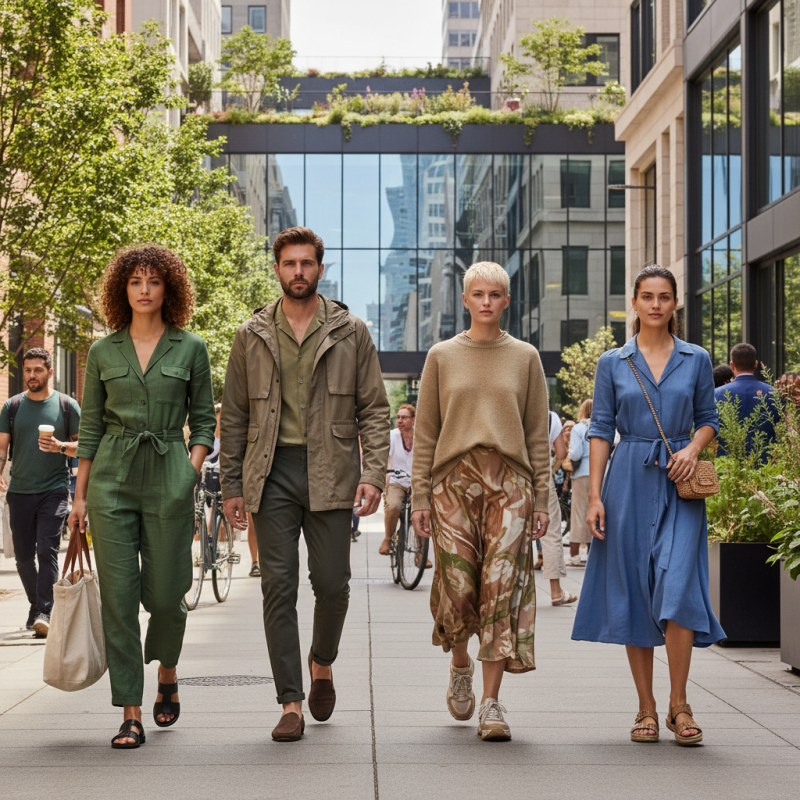
As we venture into 2025, the color palettes that dominate fashion are shifting towards an embrace of nature and bold hues, reflecting a collective yearning for sustainability and vibrancy. Earthy tones such as moss green, terracotta, and deep ochre evoke the serenity of natural landscapes, encouraging a connection to the environment. These colors not only bring a sense of calm but also provide versatile options that can be effortlessly mixed and matched, supporting the idea of a sustainable wardrobe.
In contrast to these grounded shades, bold hues such as vibrant fuchsia, electric blue, and sunny yellow are making a striking statement. These colors are set to energize wardrobes, allowing individuals to express their personality with confidence. The interplay between soft, nature-inspired tones and bright, eye-catching colors offers a dynamic approach to dressing, empowering wearers to create outfits that resonate with their mood and values. This balance of tranquility and vivacity presents an exciting opportunity for fashion enthusiasts to redefine their personal style while staying aligned with the evolving trends of 2025.
Must-Have Fabrics and Textures: Sustainability Meets Luxury
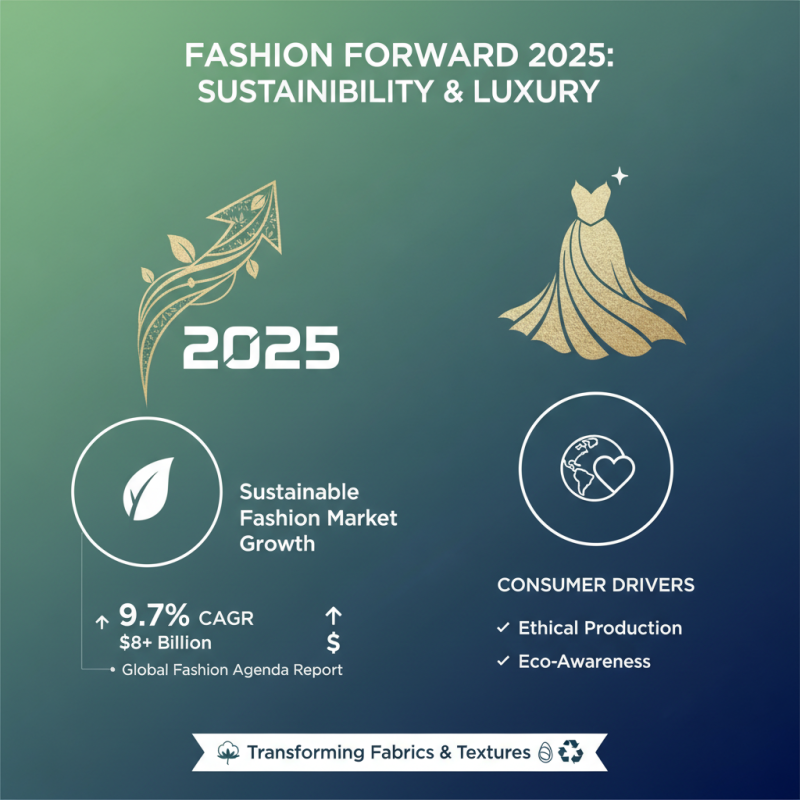
As we move towards 2025, the clothing industry is witnessing a significant transformation driven by sustainability and luxury. A recent report by the Global Fashion Agenda highlights that the sustainable fashion market is projected to grow at a compound annual growth rate (CAGR) of 9.7%, reaching a market size of over $8 billion by 2025. This growth is largely attributed to consumers’ increasing awareness of environmental issues and their desire for ethically produced clothing, which necessitates a change in the types of fabrics and textures used.
In this evolving landscape, key fabrics such as organic cotton, Tencel, and recycled polyester are taking center stage. These materials not only reduce environmental impact but also provide a luxurious feel that appeals to consumers. For instance, the use of Tencel, derived from sustainably sourced wood, has been shown to use 80% less water than traditional cotton cultivation. Additionally, a study from McKinsey & Company indicates that brands incorporating sustainable practices into their production processes can reduce supply chain emissions by up to 30%, thus aligning luxury with eco-consciousness. Texture also plays a vital role, with consumers gravitating towards softer, innovative blends that enhance comfort while still embodying a sustainable ethos. The intersection of sustainability and luxury in clothing trends marks a pivotal moment for the fashion industry, where quality and conscience go hand in hand.
Silhouette Shifts: Exploring Unconventional Shapes and Fits
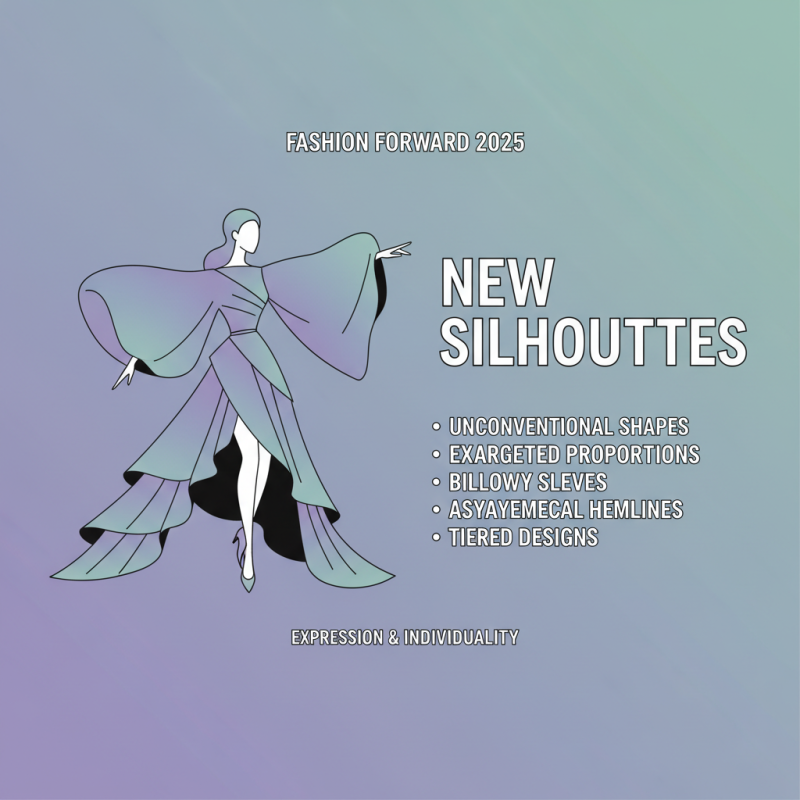
As we step into 2025, the fashion landscape is set to undergo significant transformations, particularly in terms of silhouette. One of the most exciting developments is the embrace of unconventional shapes and fits that break away from traditional tailoring. Designers are experimenting with exaggerated proportions, offering garments that challenge the norms of structure and form. Billowy sleeves, asymmetrical hemlines, and tiered silhouettes are becoming staples in the modern wardrobe. This shift allows for greater expression and individuality, inviting wearers to communicate their style beyond standard cuts.
Moreover, the rise of layering techniques presents an innovative approach to styling. Rather than sticking to conventional outfit composition, fashion-forward individuals are encouraged to mix and match varying shapes and fits. Oversized jackets paired with fitted tops or structured bottoms can create an intriguing juxtaposition that reflects personal creativity. This exploration of silhouettes not only caters to comfort but also serves as a canvas for self-expression, making each outfit a reflection of one’s unique persona. As we navigate through this evolving fashion era, embracing these unconventional silhouettes will undoubtedly be key to standing out.
Statement Accessories: Elevating Your Look with Unique Pieces
Statement accessories are set to dominate the fashion landscape in 2025, transforming even the simplest outfits into eye-catching ensembles. As individuals become more conscious of personal style, unique pieces such as oversized hats, bold necklaces, and vibrant handbags will serve as essential tools for self-expression. These striking accessories not only enhance your look but also convey individuality and flair, allowing wearers to curate a wardrobe that tells their own story.
Incorporating statement accessories into your outfit can be an effortless way to elevate your overall aesthetic. For instance, pairing a chic, minimalistic outfit with a striking pair of earrings or a chunky bracelet can instantly add a sense of drama and personality. Additionally, layering different textures and materials effectively can showcase creativity, drawing attention without overwhelming the overall look. As we move toward 2025, embracing this trend means prioritizing unique, eye-catching components that distinguish your style and reflect your personality.
2025 Top Clothing Trends You Need to Know for Your Wardrobe
| Trend Category |
Description |
Key Pieces |
Styling Tips |
| Statement Necklaces |
Bold and eye-catching necklaces that can transform an outfit. |
Chunky metal chains, colorful beaded pieces |
Pair with simple tops to let the necklace stand out. |
| Oversized Bags |
Large bags that combine functionality with fashion. |
Tote bags, hobo bags in bold colors |
Use a statement bag to add a pop of color to a neutral outfit. |
| Unique Hair Accessories |
Hair accessories that make a bold statement. |
Decorative headbands, embellished clips |
Choose one statement piece and let it shine by keeping hair simple. |
| Bold Sunglasses |
Sunglasses that express personal style and attitude. |
Cat-eye, oversized aviators |
Match sunglasses with outfits to elevate overall look. |
| Layered Rings |
Rings that can be stacked for a unique look. |
Mix of metals, gemstones |
Don’t shy away from mixing different styles and colors. |
Cultural Influences: Global Fashion Trends Shaping 2025 Styles
As we look forward to 2025, cultural influences are set to play a significant role in shaping fashion trends around the world. According to the Global Fashion Industry Report, consumer preferences are increasingly being driven by diversity and inclusivity, with 78% of respondents in a recent survey stating that they prefer brands that reflect a multicultural perspective. This shift has prompted designers to incorporate elements from various cultures into their collections, creating a rich tapestry of styles that celebrate global traditions and aesthetics.
In addition, the rise of digital communication platforms has allowed fashion trends to spread and evolve more rapidly than ever. A recent study by the Fashion Institute of Technology highlighted that social media platforms are not just channels for advertising; they serve as cultural hubs where trends can emerge from any corner of the globe. This phenomenon has led to a blending of influences, with styles from streetwear cultures in urban areas merging with traditional artisanal techniques from distant regions.
As a result, the wardrobes of 2025 will likely reflect more than just personal style—they will become a canvas for cultural dialogue, connecting people through shared fashion narratives.