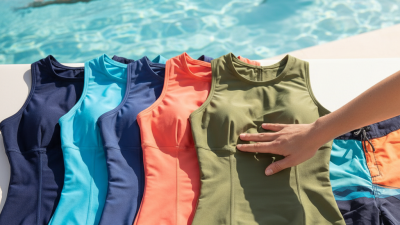

The 2026 ladies swimsuit market is moving toward practical design, responsible materials, and adaptable styling. Global buyers are watching how swimwear performs beyond the product photo. A polished appearance matters, but comfort often decides repeat purchases.
This guide explores key trends shaping ladies swimsuit collections for international retail and wholesale markets. Expect recycled nylon, softer linings, adjustable straps, and supportive construction. One-piece silhouettes are gaining fresh appeal through sculpted panels, asymmetric necklines, and subtle cutouts. High-waisted bikinis remain relevant, especially when paired with fuller coverage options. Bright coral, ocean blue, and mineral green may attract attention, while black and earth tones offer dependable commercial value.
Performance details deserve careful review. Buyers should check fabric recovery, colorfastness, lining quality, UPF claims, and size consistency. Packaging and care labels must also suit the destination market. Small details matter. A strap that slips can damage customer trust quickly.
Not every forecast will fit every region. Tropical markets may prefer vivid prints, while conservative markets may favor secure coverage and longer silhouettes. Even experienced buyers can misjudge demand. Sampling, wear testing, and clear supplier communication remain essential. This overview offers a practical starting point, not a fixed formula. Trends change. Fit still wins.
2026 Top Ladies Swimsuit Trends for Global Buyers
The global swimwear market reached US$21.2 billion in 2023, with a projected 4.5% CAGR. This baseline signals steady demand, not an automatic sales guarantee. For global buyers, 2026 collections should balance fashion, comfort, and measurable product quality. One-piece swimsuits, high-waisted bikinis, adjustable straps, and fuller-coverage styles remain practical choices for different body types. Textured fabrics, muted coastal colors, and clean shaping details may also attract shoppers seeking versatile beachwear.
Performance deserves equal attention. Buyers should examine fabric recovery after stretching, colorfastness in saltwater, chlorine resistance, and stitching around high-tension areas. Recycled fibers can support sustainability goals, but material claims need supplier documentation and testing. I have seen attractive samples fail after repeated washing. Appearance alone is not enough. Fit testing across several sizes can reveal uncomfortable seams, loose straps, or weak lining. Market forecasts also vary by research method, so purchasing plans should not rely on one figure.
Tips: Request lab reports, size specifications, and wash-test results before placing large orders. Compare sample performance after swimming, drying, and storage. Leave room for regional preferences, because a popular cut in one market may feel unsuitable elsewhere. Keep colors commercially flexible. A small, evidence-based collection is often safer than excessive variety.
2026 Top Ladies Swimsuit Trends for Global Buyers
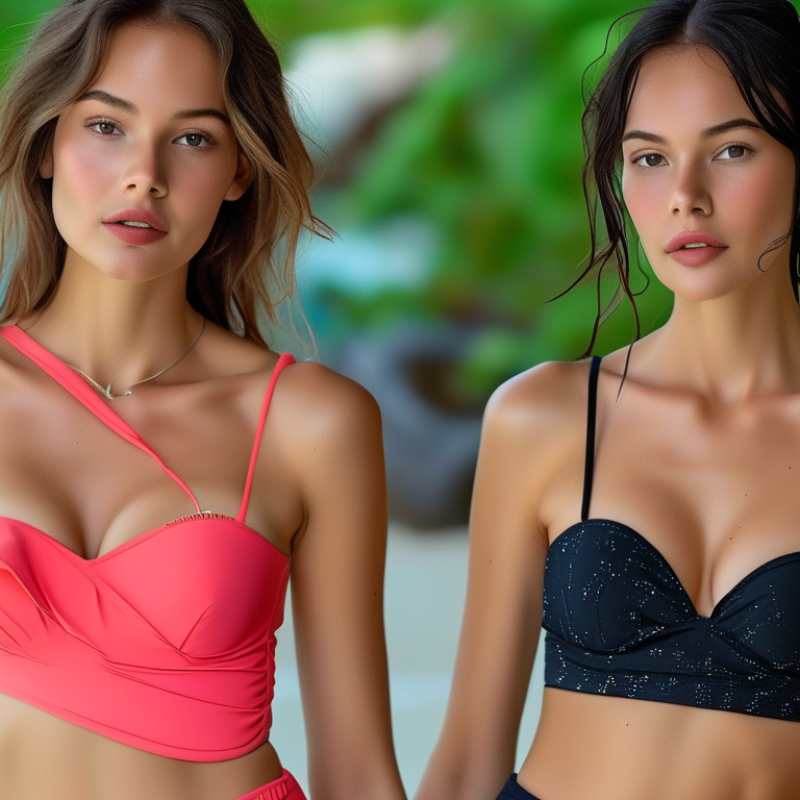
High-waist, one-shoulder, and sport-luxe silhouettes are shaping early 2026 swimwear demand. Buyers are seeking designs that combine visual impact with dependable comfort. High-waist bottoms remain practical for customers who prefer gentle coverage around the midsection. They also create a clean, longer-leg effect in product photography. However, overly firm waistbands can limit movement and cause discomfort after extended wear. Fit testing should include sitting, swimming, and walking.
One-shoulder swimsuits bring an asymmetrical detail that feels modern without becoming difficult to style. Adjustable straps, secure inner support, and balanced construction matter more than decoration. A beautiful shape can fail if the suit shifts during activity. Buyers should request samples in several body sizes, not only standard samples. Small grading errors often become obvious across international markets.
Sport-luxe demand is growing through practical details: sculpted panels, matte fabric, quick-drying materials, and restrained contrast lines. Customers want swimwear that can move from the pool to a casual resort setting. Yet the trend is not perfectly clear. Some shoppers prefer sleek minimalism, while others still want brighter surfaces and expressive cuts. Reliable suppliers should provide fabric composition, colorfastness, stretch recovery, and care information. These details support honest product pages and reduce avoidable returns. The strongest 2026 assortments may be the ones that balance fashion ambition with everyday testing.
Global buyer planning matrix based on recurring consumer priorities, resortwear direction, activewear influence, and commercial practicality
| Trend / Silhouette | 2026 Demand Signal | Commercial Evidence | Key Product Details | Primary Buyer Regions | Recommended Price Positioning | Merchandising Priority |
|---|---|---|---|---|---|---|
| High-Waist Two-Piece | Very High | High-waist construction provides additional coverage and supports the continuing demand for versatile, confidence-focused swimwear. | High-rise brief, shaped waistband, adjustable side coverage, mix-and-match top options, solid colors and refined prints. | North America Europe Australia | Mid-market to premium | Core volume style with broad size coverage |
| One-Shoulder One-Piece | High | Asymmetric necklines deliver a clear fashion update while retaining the convenience and coverage of a one-piece swimsuit. | Wide shoulder strap, secure bust support, removable cups, clean side seams, optional waist shaping. | Europe Middle East North America | Mid-market to premium | Fashion-led capsule and resort collections |
| Sport-Luxe Swimwear | Very High | The overlap between swimwear, wellness, and active lifestyles continues to support functional silhouettes with polished styling. | Racerback shapes, wide elastic bands, zip details, color blocking, quick-dry stretch fabric, and secure construction. | North America Australia East Asia | Mid-market to premium | High-priority growth segment |
| Tankini and Longer-Line Sets | Very High | Separates with increased torso coverage answer demand for modesty, movement, and flexible fit across different body proportions. | Longline tops, adjustable straps, built-in support, coordinating swim shorts or high-waist briefs. | North America Europe Gulf Markets | Accessible to mid-market | Essential for inclusive and modest assortments |
| Shaping One-Piece | Very High | Customers continue to value smoothing, support, and reliable fit, especially in one-piece styles suitable for beachwear and resort travel. | Power lining, strategic seam placement, adjustable bust support, soft compression, and controlled ruching. | Europe North America Latin America | Mid-market to premium | Repeat-purchase and fit-focused category |
| Convertible and Reversible Swimwear | High | Multiway products offer more styling options per purchase and align with practical packing, travel, and value-conscious consumption. | Reversible colorways, detachable straps, adjustable ties, interchangeable tops, and coordinated separates. | Europe North America Australia | Mid-market | Strong option for travel and online assortments |
| Textured and Matte-Finish Fabrics | High | Texture creates visual value without relying on complex decoration and works well across minimalist, resort, and sport-influenced designs. | Ribbed surfaces, crinkle effects, matte stretch fabric, tonal jacquards, and low-shine finishes. | Europe North America East Asia | Mid-market | Useful for color-focused seasonal drops |
| Extended Size and Adaptive Fit | Very High | Inclusive sizing and better adjustability respond to persistent consumer expectations for comfort, representation, and dependable fit. | Expanded size range, adjustable coverage, multiple cup options, supportive straps, and clear fit measurements. | Global | Accessible to premium | Strategic requirement across the full range |
| Lower-Impact Material Options | High | Buyers increasingly request traceable fibers, recycled-content options, durability information, and more responsible packaging. | Recycled-content nylon or polyester, durable chlorine-resistant fabric, fiber disclosure, and reduced packaging volume. | Europe North America Australia | Mid-market to premium | Important supporting attribute rather than a standalone silhouette |
| Earth and Mineral Color Palette | High | Muted, nature-associated shades coordinate easily with cover-ups and resort wardrobes while providing a longer seasonal life. | Sea green, clay, sand, cocoa, mineral blue, charcoal, cream, and controlled contrast accents. | Europe North America Middle East | Broad market applicability | Commercial base palette for core and fashion styles |
Signal scale: “Very High” indicates a strong cross-market commercial priority; “High” indicates a dependable growth or core-volume opportunity. Demand signals are directional planning indicators, not audited market-share figures. Final assortment decisions should be validated against local climate, channel mix, customer sizing data, and seasonal sell-through.
In 2026, swimsuit demand will reflect regional lifestyles, not one global look. Gen Z buyers often seek bold colors, adjustable straps, and camera-friendly details. They also notice recycled fibers and transparent product information. However, appearance alone rarely secures repeat purchases. Comfort still matters.
Millennial shoppers usually prefer versatile pieces for beaches, resorts, and hotel pools. High-waisted bottoms, supportive cups, and mix-and-match colors can improve wardrobe value. In warmer regions, quick-drying fabric and strong sun protection remain practical priorities. European buyers may favor clean silhouettes, while Latin American customers often respond to vivid prints and confident shaping. Preferences vary within every region.
The modest-wear market is expanding through longline tops, swim leggings, covered backs, and relaxed tunics. Gulf buyers may prioritize coverage, opacity, and breathable construction. Southeast Asian customers may value lightweight layers for humid travel and family swimming. Buyers should test fabric transparency when wet. Small fitting errors can damage trust.
I have seen product teams overestimate color trends and underestimate sizing consistency. That mistake is easy to repeat. Reliable suppliers should provide measurement charts, fabric composition, stretch recovery, and wash-test results. Gen Z may accept experimental styling, but poor durability quickly becomes visible online. Regional segmentation helps, though it is not perfect. A city, age group, and culture can still contain very different swimmers.
2026 Top Ladies Swimsuit Trends for Global Buyers
Material innovation is reshaping ladies’ swimwear for the 2026 buying season. Recycled nylon and polyester can reduce reliance on virgin resources. However, recycled content alone does not prove responsible production. Buyers should request fiber composition records, supplier declarations, and chain-of-custody documents. Labels need evidence.
UPF 50+ is another important benchmark for global collections. It should reflect tested fabric performance, not a promotional claim. Ask for laboratory reports that identify the fabric, test method, color, and construction. Dark shades may perform differently from pale shades. Stretching can also reduce coverage during wear. A swimsuit that passes testing flat may behave differently on a moving body.
Certification checks should cover recycled content, chemical management, colorfastness, and production traceability. Recognized third-party standards can make supplier comparisons more reliable. Still, certificates may expire or cover only selected materials. Check dates and scope carefully. Small details matter. During sample reviews, buyers should inspect chlorine resistance, seam recovery, lining stability, and print durability. A soft recycled fabric may feel excellent, yet lose shape after repeated pool use. That trade-off deserves honest testing. Some suppliers may provide incomplete data, and buyers should not treat confidence as proof. Practical wear trials, wash testing, and documented factory controls remain essential for dependable global sourcing.
Global buyers are prioritizing flexible MOQ, broader sizing, and predictable landed cost. Grand View Research estimates the global swimwear market could grow at about 4.5% annually through 2030. That growth rewards suppliers who can scale without forcing excessive inventory. A practical starting point is 300–500 pieces per color, with size curves based on regional sales data. Small test orders reduce risk, but they can raise unit costs. That trade-off needs honest review.
Size inclusivity now affects both conversion and returns. Buyers should request samples across the full size range, not only a medium. Check bust support, leg openings, lining coverage, and stretch recovery on real bodies. Circana’s retail research repeatedly identifies fit as a major apparel purchase factor, although swimwear data is less transparent. We should not pretend one grading rule fits every market.
Compliance must be documented before production. Request fiber content, colorfastness, chemical, and flammability records where applicable. Textile Exchange’s Materials Market Report 2024 reported polyester at roughly 57% of global fiber production in 2023, making recycled-content claims worth verifying carefully. Landed cost includes product price, packaging, freight, duties, testing, inspection, and possible returns. A low factory quote may become expensive after port delays or corrective work. Build a spreadsheet by SKU and destination. It is less glamorous, but more reliable.