

7 Tips for Buying Nursing Uniform Sets?

Choosing Nursing Uniform Sets is more than matching colors with a hospital department. Fabric, fit, movement, and maintenance can shape comfort across a demanding shift. After reviewing clinical apparel and comparing garment details, I have learned that small choices matter. A stiff waistband can distract during rounds, while weak seams may fail after repeated washing. Practical experience also shows that a polished appearance can support patient confidence. Yet appearance never replaces hygiene, safety, or workplace standards. Check requirements first. Facility policies often differ between departments.

This guide presents seven practical tips for choosing dependable Nursing Uniform Sets. It considers fabric performance, sizing accuracy, pocket placement, color stability, closure design, laundering needs, and overall value. These details become visible in real situations: lifting a patient, carrying instruments, bending beside a bed, or moving through a long corridor. A breathable fabric may feel comfortable at noon but less useful after several hot washes. A stylish cut may look professional but restrict movement. I have made that mistake before. No checklist is perfect.

Good purchasing decisions require more than trusting product photographs or short descriptions. Examine measurements, fiber content, care instructions, return conditions, and customer feedback. When possible, compare the uniform with your facility’s daily routine and dress expectations. The best set is not always the cheapest or most fashionable option. It is the one that remains comfortable, presentable, functional, and manageable throughout repeated clinical use. These tips are designed to make that judgment clearer, while leaving room for personal preferences and honest reconsideration.
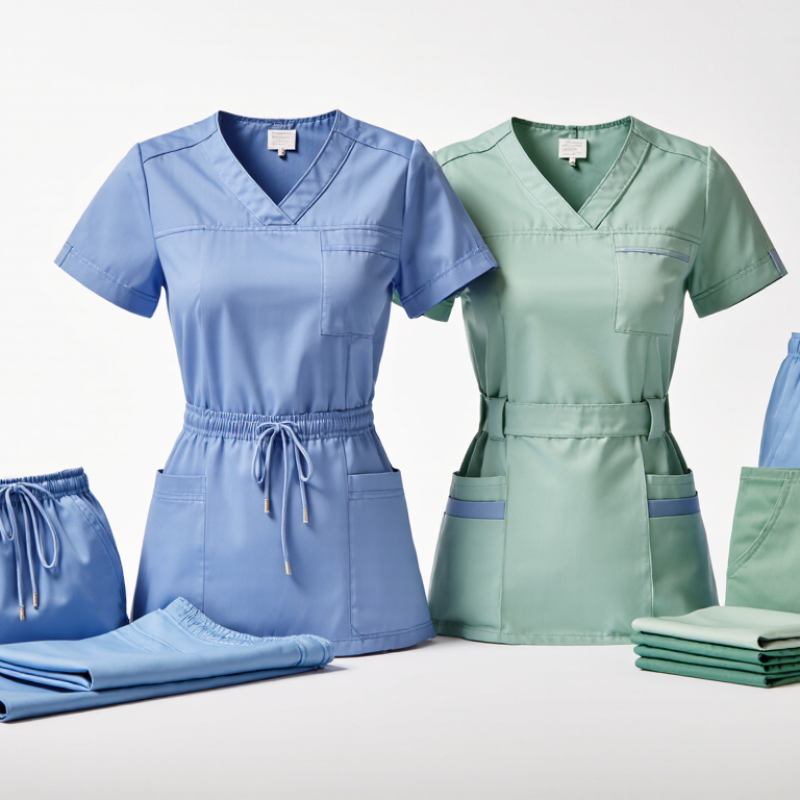
7 Tips for Buying Nursing Uniform Sets?

Define Your Daily Nursing Uniform Requirements

Before comparing nursing uniform sets, define what your average shift demands. A busy ward may require frequent bending, walking, and patient transfers. Choose fabric that feels breathable after several hours, not only during a quick fitting. Fit matters. Sleeves should stay clear of gloves and equipment. Trousers should allow movement without dragging across the floor.

Count the pockets you genuinely use. Two secure pockets may hold pens, a small notebook, and essential tools. Too many pockets can add weight and create awkward lines. Check the waistband while sitting, reaching, and climbing stairs. A flexible fit often performs better than an overly slim cut. Consider your workplace temperature, laundering routine, and preferred sleeve length. Easy-care fabric can reduce morning pressure, but some blends retain heat.

I recommend testing one set through a complete shift before purchasing several. Walk quickly, kneel, stretch, and wash it according to the care label. Notice whether seams rub your waist or whether the neckline shifts under a protective layer. Small details matter. I once underestimated pocket placement and kept bumping equipment against a workstation. That mistake changed how I judge uniforms. Appearance still matters, but comfort, movement, and reliable cleaning should guide the final choice. Personal preferences can be inconsistent, so write down your observations after each shift.

Compare Fabric Choices for Comfort and Durability

Fabric choice often matters more than color when buying nursing uniform sets. Cotton feels soft and breathable during long shifts. However, it can absorb sweat and dry slowly after washing. It may also wrinkle before a busy morning begins. Polyester resists wrinkles, keeps its shape, and dries quickly. Yet, some polyester fabrics feel warm under bright clinical lights.

A cotton-polyester blend often provides a practical balance. Cotton improves softness, while polyester supports durability and easier care. Look for a medium-weight weave with good opacity. Thin fabric can reveal pockets, seams, or underlayers when bending. A small amount of stretch can improve movement around the shoulders and knees. Too much stretch may lose shape after repeated washing. Check the care label carefully.

I once chose a very soft set that felt excellent in the fitting room. After several hot washes, the fabric pilled and the waistband loosened. That experience changed how I compare uniforms. Comfort matters, but washing performance matters just as much. Ask how the fabric behaves after frequent laundering. Test the seams, cuffs, and pocket edges by gently pulling them. Do not trust softness alone. A reliable set should feel comfortable at 8 a.m. and remain presentable after a demanding week. The best choice may still depend on your workplace temperature, movement, and laundry routine.

Choose the Right Fit, Size, and Range of Motion

7 Tips for Buying Nursing Uniform Sets

Choose movement before appearance. The World Health Organization reports that 1.71 billion people live with musculoskeletal conditions worldwide. Nursing work adds bending, reaching, lifting, and frequent walking. A uniform should support these movements, not restrict them.

Check seven details during fitting: shoulder width, chest ease, waist comfort, sleeve clearance, trouser rise, hem length, and fabric stretch. Lift both arms. Squat beside a chair. Reach across an imaginary bedside table. If the shirt pulls across your back, try one size larger or a more flexible cut. If excess fabric hangs near equipment, reduce the volume. Small details matter. A two-way stretch fabric can improve mobility, but it may feel less structured after repeated washing.

Use the size chart, then compare your measurements with the garment’s finished dimensions. Sizing is not perfectly consistent. That is easy to forget. NIOSH identifies awkward postures, repetitive motion, and patient handling as important ergonomic risks in healthcare work. Choose trousers that stay secure without pressing the abdomen while sitting. Test pockets with a penlight, gloves, and keys. Check cuffs when washing your hands. The U.S. Bureau of Labor Statistics continues to report substantial workplace injuries in healthcare occupations, reinforcing the value of practical ergonomic choices. A mirror check helps, but a full movement test is more honest.

7 Tips for Buying Nursing Uniform Sets: Choose the Right Fit, Size, and Range of Motion

Use this checklist when comparing nursing uniform sets. Measurements should be taken over the undergarments normally worn beneath the uniform.
Tip What to Check Practical Measurement or Test Why It Matters Recommended Buying Standard Priority
1 Measure the body, not an existing uniform Measure bust or chest, natural waist, fullest hip, and inseam with the tape held level and comfortably close to the body. Uniform sizing varies between manufacturers, while body measurements provide a more reliable starting point. Compare every measurement with the garment's current size chart. Use the largest relevant measurement when between sizes. Essential
2 Choose ease for movement Raise both arms, reach forward, bend, squat, and take several long steps. The fabric should not pull sharply across the shoulders, hips, or seat. Clinical work involves frequent reaching, bending, walking, and assisting patients. A uniform that is too tight can restrict movement. Select a fit that allows unrestricted movement without excessive fabric that may snag on equipment or furniture. Essential
3 Check shoulder and sleeve fit Stand naturally and extend both arms forward. Shoulder seams should sit near the shoulder edge, and sleeves should not ride uncomfortably into the underarm. Correct shoulder placement improves mobility and helps prevent pressure during repeated arm movements. For frequent reaching, consider set-in or stretch sleeves with enough room through the upper arm. Essential
4 Evaluate the waist and rise Sit, stand, and bend while checking whether the waistband rolls, digs in, or gaps. The trouser rise should remain comfortable when seated. A stable waistband and suitable rise help maintain coverage and comfort throughout long shifts. Choose an adjustable drawstring, elastic insert, or flexible waistband when measurements fluctuate or extended sitting is common. Important
5 Confirm length and coverage Check the top hem, trouser hem, and neckline while standing, walking, reaching, and bending. The hem should not drag or expose the lower back. Appropriate length supports professional coverage and reduces tripping or snagging risks. Match inseam and top length to the wearer's height and footwear. Consider petite, regular, or tall lengths where available. Essential
6 Review fabric stretch and breathability Check the fiber composition and care label. Stretch fabric should recover after being pulled lightly; breathable fabric should not feel clammy during movement. Stretch can improve range of motion, while breathable, moisture-managing fabrics can support comfort during active shifts. Look for a documented blend containing stretch fiber when mobility is a priority, and verify that the fabric remains suitable for the required laundering process. Important
7 Test pockets and laundering requirements Place commonly carried items in the pockets and walk, bend, and sit. Review washing temperature, drying instructions, colorfastness, and shrinkage information. Secure pockets improve practicality, while clear care instructions help preserve fit, color, and fabric performance. Choose pockets that hold essential items without pulling the garment down. Wash according to the care label and allow for any stated shrinkage. Helpful

Evaluate Pockets, Closures, and Practical Features

7 Tips for Buying Nursing Uniform Sets: Evaluate Pockets, Closures, and Practical Features

A nursing uniform should support movement, not create another task. The U.S. Bureau of Labor Statistics projects 6% registered-nurse employment growth from 2023 to 2033. That scale reflects varied work settings, from crowded wards to community visits. Choose fabric that bends quietly and dries quickly. A deep chest pocket can hold a penlight, while secure lower pockets suit gloves or folded notes. Avoid overloaded pockets. They can pull the neckline sideways.

Closures deserve a closer look. Studs or snaps allow faster changes than small buttons, especially during long shifts. However, poorly sealed snaps may open during transfers or repeated bending. Test every closure with one hand. The CDC’s Guideline for Hand Hygiene in Healthcare Settings emphasizes accessible hand hygiene and avoiding contamination risks. Uniform details should support that routine. Smooth cuffs, short sleeves, and washable materials may be more practical than decorative trims. Check the care label, too. A garment that needs delicate washing may become an expensive inconvenience.

The 2022 National Nursing Workforce Survey recorded more than four million actively licensed registered nurses in the United States. Their duties are not identical, so one uniform design cannot fit every department. Try sitting, reaching, and lifting before buying several sets. I once underestimated pocket depth; the fabric looked neat, but my pen kept falling out. That small failure mattered. Examine stitching, pocket angles, closure strength, and comfort after a full shift. Fancy details are easy to admire. Useful details earn their place.

Check Care Instructions, Quality, and Overall Value

When buying nursing uniform sets, read the care label before judging the color or cut. A uniform that needs delicate washing may become expensive during busy clinical weeks. Check whether the fabric tolerates warm washing, tumble drying, and repeated ironing. The CDC states that proper laundering removes soil and microorganisms from healthcare textiles. That does not make clothing sterile, but it supports safer handling routines. Pay attention to shrinkage, color fading, and drying time. Small details matter.

Quality should feel practical, not merely heavy. Look for secure seams, reinforced pocket corners, smooth zippers, and fabric that keeps its shape after washing. A cotton-polyester blend can balance comfort, durability, and easier care. Textile Exchange reported that global fiber production reached about 124 million tonnes in 2023, with polyester remaining the dominant fiber. That scale does not prove quality. It reminds buyers to check fiber composition instead of trusting vague claims. Try bending, stretching, and sitting in the set. An attractive uniform can still pull across the shoulders.

Overall value depends on cost per wear, not the lowest receipt price. Divide the purchase price by realistic uses, then include washing, repairs, and replacement time. A durable set worn 100 times may offer better value than a cheaper set worn 30 times. WHO reported that healthcare-associated infections affect roughly 7 in 100 patients in high-income countries. Uniforms are only one small control measure, never a substitute for hand hygiene or facility procedures. I would still reconsider buying several sets at once. Fit preferences can change after a full shift.

Go to Top