Top Active Wear Trends to Watch for in 2025
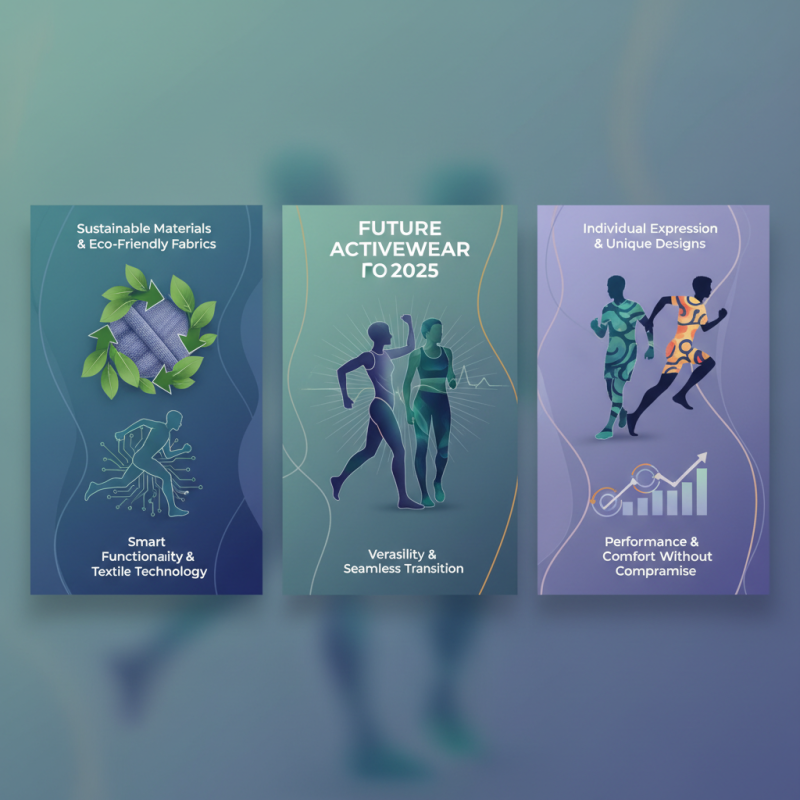
As we look ahead to 2025, the world of fashion is set to undergo a significant transformation, particularly in the realm of active wear. The growing emphasis on health, wellness, and fitness continues to shape consumer preferences, leading to innovative designs and sustainable materials that cater to both functionality and style. This evolution reflects the increasing desire for versatility in clothing that seamlessly transitions from workout sessions to everyday activities, enhancing our lifestyles rather than constraining them.
With advancements in textile technology and a heightened awareness of environmental impacts, active wear trends are likely to embrace eco-friendly fabrics and smart functionality. We are entering an era where comfort meets performance without compromise, allowing individuals to express their uniqueness while pursuing their fitness goals. As we explore these anticipated trends, it is essential to understand how they will influence the broader athletic apparel market and the lifestyle choices of consumers. The future of active wear promises to be as dynamic and transformative as the lives of those who wear it.
Emergence of Sustainable Materials in Active Wear Innovation
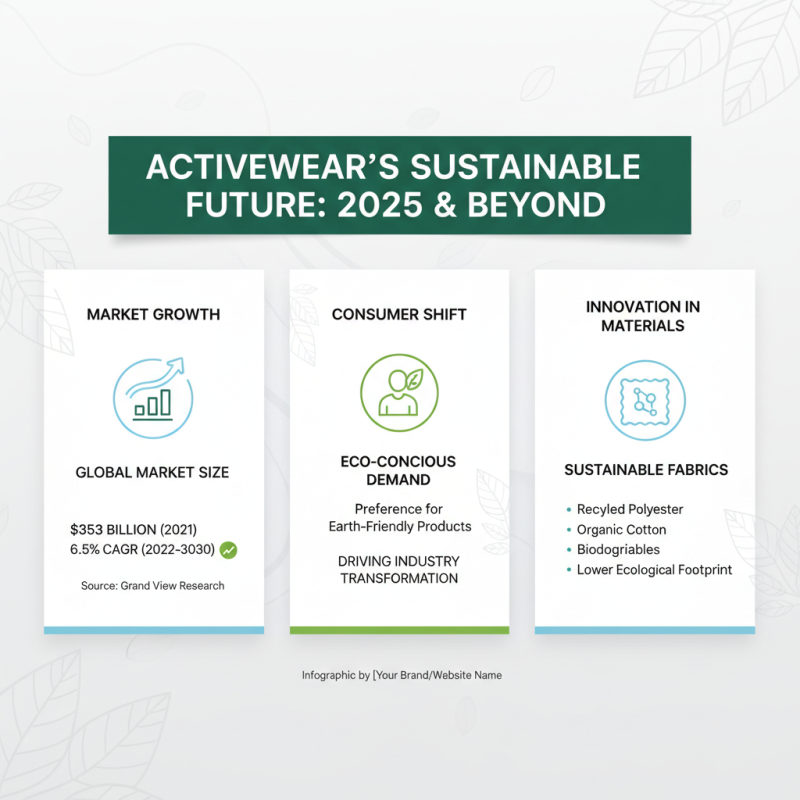
The active wear industry is poised for a significant transformation in 2025, particularly through the integration of sustainable materials. According to a report by Grand View Research, the global activewear market size was valued at approximately $353 billion in 2021 and is expected to grow at a compound annual growth rate (CAGR) of 6.5% from 2022 to 2030. This growth is increasingly driven by consumers' shifting preferences towards environmentally friendly products. The rise of awareness regarding environmental sustainability has prompted brands to invest in innovative materials that are not only functional but also have a lower ecological footprint.
The emergence of sustainable materials, such as recycled polyester and organic cotton, has been a key trend in the development of active wear. Research published by McKinsey & Company indicates that the production of recycled materials can reduce carbon emissions by up to 50% compared to virgin materials, making them a compelling option for manufacturers looking to enhance their sustainability initiatives. Moreover, the demand for biodegradable fabrics—such as those derived from algae and other natural sources—is gaining momentum. In fact, a survey by the American Apparel & Footwear Association revealed that 66% of consumers are willing to pay a premium for sustainable products, highlighting the market’s responsiveness to eco-friendly innovations.
As we move towards 2025, it is clear that the focus on sustainable materials will not only redefine the aesthetics of active wear but also contribute significantly to environmental conservation efforts. This trend aligns with global initiatives aimed at reducing waste and promoting a circular economy, making it essential for brands to adopt sustainable practices. With the increasing availability of advanced sustainable textiles, the potential for innovation in active wear is immense, setting the stage for a greener and more responsible future in fashion.
Rise of Smart and Tech-Integrated Active Wear Trends
The active wear industry is set to undergo a significant transformation by 2025, with an emphasis on smart and tech-integrated clothing that enhances physical performance and user experience. Wearable technology and smart fabrics are becoming increasingly popular, offering features that go beyond traditional active wear. For instance, clothes embedded with sensors can monitor heart rate, body temperature, and even hydration levels, providing real-time feedback to users during workouts. This innovation not only aids in performance tracking but also encourages a more informed approach to fitness and health management.
Moreover, the integration of advanced technology into active wear allows for seamless connectivity with other devices. Smart active wear can sync with fitness apps or wearables, creating a cohesive ecosystem that tracks progress and motivates users. Imagine a pair of leggings that not only fits like a dream but also regularly updates your fitness goals based on your performance metrics. This blend of fashion and function is fostering a new era of active wear that caters to tech-savvy consumers who seek both style and substance in their workout attire. As this trend evolves, we can expect to see a wider variety of innovative materials and designs that prioritize not only aesthetics but also the overall well-being of the user.
Top Active Wear Trends to Watch for in 2025
Inclusive Sizing and Fit: Redefining Active Wear for All Body Types
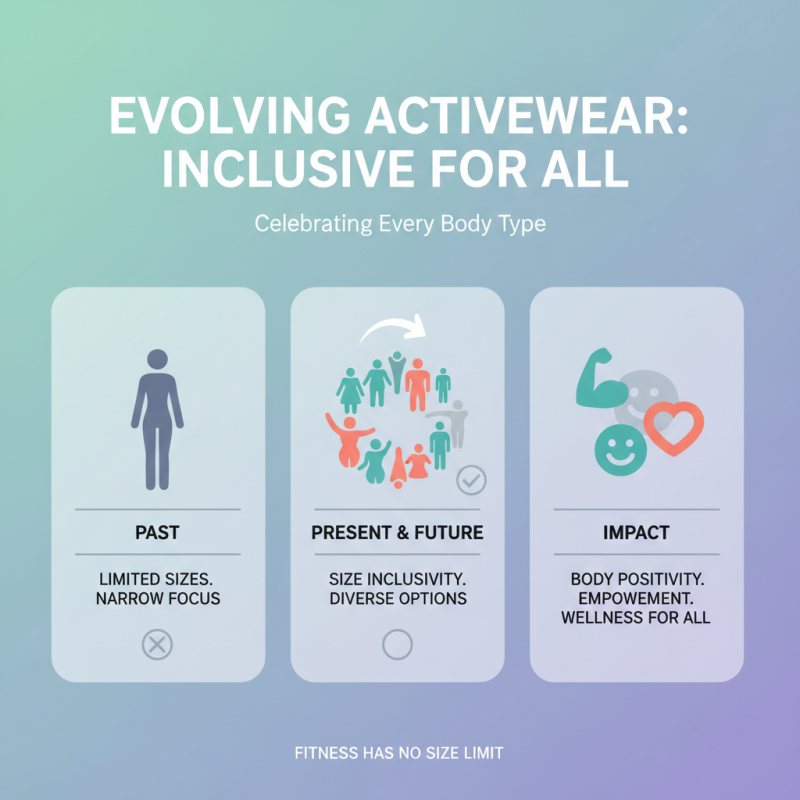
The landscape of activewear is evolving, with a pivotal focus on inclusive sizing and fit that celebrates all body types. Gone are the days when athletic apparel was limited to a narrow range of sizes. As health and wellness consciousness rises, brands are recognizing the importance of providing options that cater to diverse body shapes and sizes, ensuring everyone can participate in physical activities without feeling marginalized. This shift not only promotes body positivity but also empowers individuals to embrace their fitness journeys.
Designers are now prioritizing comfort and functionality, creating garments that are not only stylish but also adaptable to various body frames. Innovations in fabric technology have led to adjustable features, such as stretchable waistbands and breathable materials that accommodate movement. Furthermore, inclusive patterns and cuts are being embraced, allowing wearers to express their personal style while enjoying the benefits of well-fitted performance gear. By reimagining activewear in this way, the industry is fostering an environment that encourages participation and inclusivity in sports and fitness for everyone, regardless of size.
Bold Colors and Patterns: Aesthetic Shifts in Active Wear Styles
In 2025, the world of active wear is poised for a vibrant transformation characterized by bold colors and eye-catching patterns. As fitness enthusiasts look to express their individuality, the aesthetic of active wear is shifting away from the understated tones that have dominated the past decade. Expect to see an explosion of striking hues such as electric blues, fiery reds, and lush greens, designed to energize both the wearer and their surroundings. These vivid colors not only serve a practical purpose in visibility during outdoor activities but also contribute to a celebratory mood, encouraging a positive mindset during workouts.
Patterns will play an equally significant role in this aesthetic evolution. From kaleidoscopic prints to geometric designs, the trend is moving towards a mix-and-match approach that allows for personalized expression. Athletes and casual wearers alike are embracing outfits that make bold statements, with motifs reflecting nature, abstract art, and cultural influences. This trend not only inspires creativity in athletic endeavors but also challenges the traditional norms of what active wear should look like, fostering a sense of freedom and self-expression that resonates with a diverse audience. As these vibrant styles take center stage, active wear in 2025 will be as much about fashion as it is about function, blurring the lines between sports apparel and everyday clothing.
Top Active Wear Trends to Watch for in 2025 - Bold Colors and Patterns: Aesthetic Shifts in Active Wear Styles
| Trend |
Description |
Color Palette |
Popular Patterns |
| Vibrant Hues |
Active wear in eye-catching, bold colors to enhance visibility and personal style. |
Neon, Electric Blue, Hot Pink |
Geometric, Abstract |
| Nature-Inspired Tones |
Earthy shades reminiscent of nature to create a calming effect. |
Olive Green, Rust, Cream |
Floral, Leaf Patterns |
| Mix & Match Styles |
Combining various styles and textures to express individuality. |
Coral, Turquoise, Mustard |
Color Blocking, Stripes |
| Retro Revival |
Throwback styles from the 80s and 90s making a comeback. |
Pastel Pink, Bright Cyan, Classic Black |
Polka Dots, Checkerboard |
| Tech-Inspired Designs |
Integration of smart fabrics and innovative designs for enhanced performance. |
Metallic Silver, Black, Bright Yellow |
Digital Prints, Futuristic Patterns |
Focus on Versatility: Active Wear that Transitions from Gym to Everyday Use
In the fast-evolving world of fashion, the active wear trend is making significant strides toward versatility, blurring the lines between gym attire and everyday clothing. As consumers increasingly seek comfort without sacrificing style, active wear designed for multifunctional use is becoming a staple in wardrobes. This trend reflects a deeper understanding of modern lifestyles, where individuals desire garments that easily transition from workout sessions to casual outings.
The key to this versatility lies in innovative fabric technologies and thoughtful design elements. Active wear in 2025 will feature breathable and moisture-wicking materials that not only provide support during intense physical activities but also maintain a sleek appearance suitable for running errands or meeting friends. Styles such as high-waisted leggings, cropped tanks, and oversized jackets are being crafted with high-performance features and aesthetic appeal, creating options that effortlessly shift from the gym floor to various social settings. As the demand for practical yet fashionable solutions continues to grow, the focus on versatile active wear will encourage consumers to embrace fitness-focused lifestyles without the need for constant outfit changes.