
China Best Sportswear for Women Suppliers?
China has become a major sourcing base for sportswear for women, combining fabric innovation, large-scale production, and flexible customization. However, a low factory price does not automatically mean dependable quality.
McKinsey and the World Federation of the Sporting Goods Industry reported that women’s sportswear grew faster than men’s sportswear between 2015 and 2019. Their 2024 Sporting Goods report also expects continued global industry growth through 2028, although consumer demand is becoming more selective. Matt Powell, a former sports industry analyst at The NPD Group, stated, “Women are the fastest-growing segment in the athletic market.” That shift affects product design, supplier capacity, and retail planning.
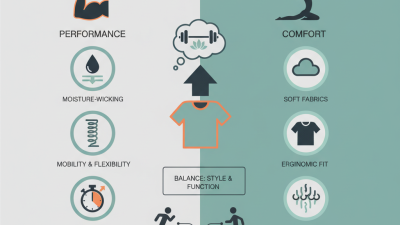
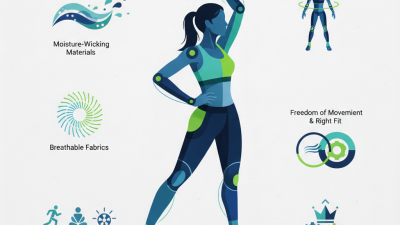
The right Chinese supplier should understand real movement, not only attractive catalog images. Consider squat-proof leggings, sweat-wicking tops, supportive sports bras, and secure waistbands. Ask for fabric composition, GSM, stretch recovery, colorfastness, and laboratory test records. Factory audits, sample approval, production inspections, and traceability provide stronger evidence than promises.
Still, no supplier is perfect. Even an experienced manufacturer may miss a stitching issue or delay a shipment. That is the uncomfortable part.
This guide compares leading Chinese suppliers for sportswear for women through product expertise, manufacturing experience, certifications, communication, minimum order quantities, and export reliability. Information from recognized industry reports supports the market discussion, while supplier claims should be verified directly. A careful buyer should request current samples, inspect production facilities, and confirm compliance requirements before signing an order.
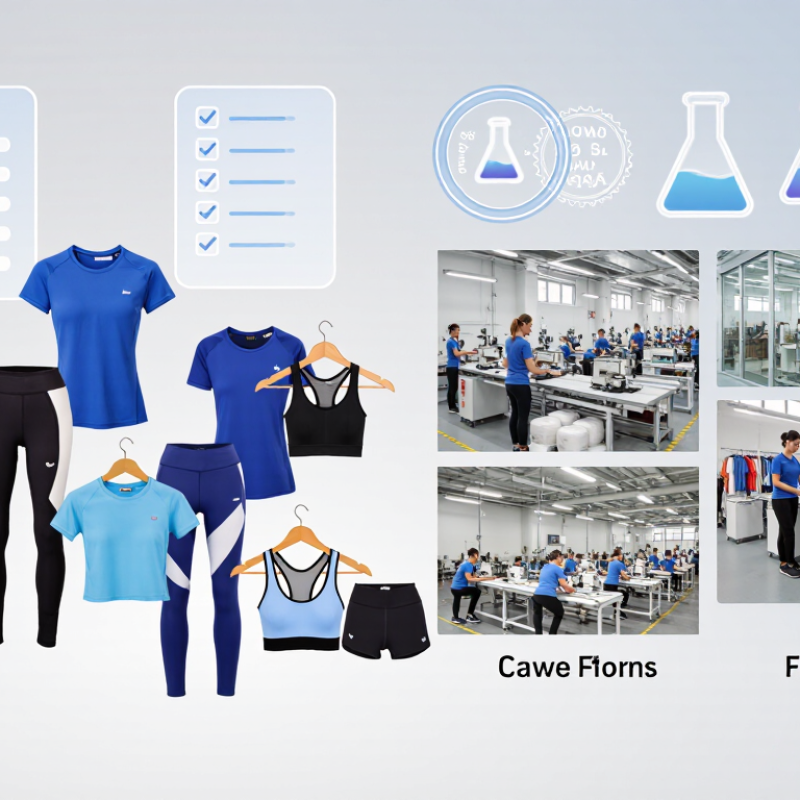
A reliable Chinese women’s sportswear supplier shows capability through evidence, not polished promises. During supplier evaluations, request factory photos, production records, fabric certifications, and recent quality reports. A serious supplier should explain where polyester, nylon, elastane, and trims come from. Traceability matters when leggings require consistent stretch and color across repeated orders.
Product development also reveals professional knowledge. Ask for size charts, graded patterns, measurement tolerances, and fabric performance data. Test samples through washing, stretching, sweat exposure, and repeated movement. Check waistband recovery, seam strength, opacity, and moisture management. Small details matter. A supplier that records sample revisions can usually manage bulk production more carefully. Still, sample quality may exceed mass-production quality, so an independent inspection remains sensible.
Communication is another practical test. Reliable teams confirm specifications in writing, provide realistic lead times, and report delays before they become expensive. They should clarify minimum order quantities, packaging details, payment terms, and corrective-action procedures. A factory may have advanced equipment but weak planning. That gap is easy to miss. I would also compare the promised delivery date with previous production records, not only the sales representative’s confidence. No supplier is perfect. What matters is transparent problem-solving, consistent inspection, and a willingness to improve after an error.
China Best Sportswear for Women Suppliers?
China’s women’s sportswear market covers several practical product categories. Leggings remain a core item, especially high-waisted styles with squat-proof fabric and flat seams. Buyers should check stretch recovery after repeated washing. A sample can look excellent, yet lose shape quickly.
Sports bras require more careful evaluation. Suppliers usually offer light, medium, and high-support designs. For running, wide underbands and stable cup construction matter. For yoga, softer fabrics and flexible straps improve comfort. Ask for precise size measurements, removable pad details, and colorfastness results. Small details matter.
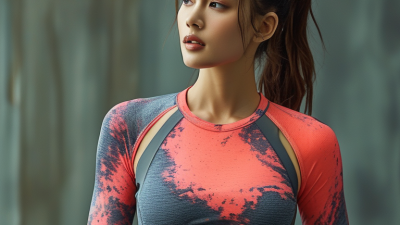
Training tops include crop tops, tanks, long-sleeve shirts, and loose-fit jerseys. Moisture-wicking polyester blends are common, while recycled fibers may support a more responsible product position. However, sustainability claims need documents, not attractive catalog language. Verify material composition and relevant test reports.
Outerwear is another useful category. Lightweight jackets, windbreakers, and warm-up trousers can extend a collection beyond indoor training. Suppliers may also develop tennis skirts, cycling shorts, maternity activewear, and modest sportswear. These products need different fit testing. A skirt may require built-in shorts. A maternity panel must stretch without uncomfortable pressure.
From practical sourcing experience, strong suppliers communicate clearly about fabric weight, seam construction, grading, and production limits. Their samples should match the approved specifications. Not every factory handles every category equally well. That is easy to overlook. Request pre-production samples, inspect random pieces, and test garments after washing. A lower price can hide weaker elastic, uneven stitching, or inconsistent sizing.
Choosing the best Chinese sportswear supplier requires evidence, not polished photos. Textile Exchange’s 2024 Materials Market Report estimates global fiber production reached 124 million tonnes in 2023. Polyester represented more than half of output. This makes recycled content, traceability, and fiber certification important questions. Request composition records, batch details, and independent test reports. Do not accept vague “eco” claims.
Quality begins with controlled testing. Ask for abrasion results under ASTM D4966, dimensional stability after washing under ISO 6330, and colorfastness testing. Moisture management also matters. A fabric may feel dry in the showroom, then cling during a hard workout. Check wicking, breathability, pilling, and stretch recovery after repeated laundering. A fabric weight near 200 GSM may suit leggings, but construction and elastane quality matter more than weight alone.
Fit needs physical samples across several sizes. Test squats, arm lifts, waistband pressure, seam twisting, and pocket movement. Suppliers should provide graded measurements, tolerances, and a documented correction process. McKinsey’s Sporting Goods reports repeatedly identify product quality and consumer trust as major growth factors. Trust is built through repeatable production, not one perfect sample. One uncomfortable reality: laboratory data can still miss real movement. Arrange wear trials with different body shapes, record failures, and revise the pattern before bulk production.
China Best Sportswear for Women Suppliers?
MOQ, pricing, customization, and private labeling usually decide whether a supplier is suitable. For standard leggings or sports bras, many Chinese factories quote MOQs between 300 and 1,000 pieces per style. Custom fabric, colors, and woven labels may raise the minimum to 1,000–3,000 pieces. Grand View Research valued the global activewear market at approximately USD 412 billion in 2023, with continued growth expected through 2030. That scale attracts capable manufacturers, but also creates uneven quality.
Pricing depends on fabric weight, stitching, packaging, and order volume. A basic polyester-spandex legging may cost about USD 6–12 at factory level. High-stretch fabric, bonded seams, or recycled yarns can push costs higher. Request a detailed quotation, including sampling, labeling, packaging, inspection, and shipping terms. Small details matter. A low unit price can hide expensive revisions. The uncomfortable point: the cheapest sample is rarely the cheapest production decision.
Private label projects need more than a logo. Ask for size grading, color references, care labels, technical drawings, and pre-production approval. Suppliers should provide fabric composition and test documentation. Textile Exchange’s 2024 Materials Market Report shows polyester remains the dominant synthetic fiber in global textile production, making fiber traceability increasingly important. For customization, begin with one or two styles and a controlled color range. This limits inventory risk. It is not perfect, but it exposes weak communication before larger commitments. A written quality checklist and random inspection can protect consistency across production batches.
| Supplier Capability | Typical Women's Sportswear | Typical MOQ per Style and Color | Indicative FOB Price per Piece | Sample Lead Time | Bulk Production Lead Time | Customization Options | Private Label Options | Common Fabric Choices | Suitable Buyer Profile |
|---|---|---|---|---|---|---|---|---|---|
| Basic Cut-and-Sew Manufacturer | Sports bras, leggings, shorts, T-shirts, and lightweight jackets | 100–300 pieces | $5–$12 | 7–14 days | 30–50 days after approval | Custom patterns, colors, size grading, trims, stitching, and packaging | Woven labels, heat-transfer labels, hangtags, polybags, and cartons | Polyester-spandex, nylon-spandex, cotton blends, and recycled polyester | Startups, online retailers, fitness studios, and small-volume brands |
| Performance Activewear Manufacturer | High-support bras, compression leggings, training tops, and running apparel | 300–800 pieces | $8–$18 | 10–18 days | 40–60 days after approval | Technical pattern development, compression levels, reflective details, mesh panels, and bonded seams | Full private label package with custom labels, packaging, care labels, and product inserts | Moisture-wicking nylon-spandex, recycled polyamide, compression knit, and stretch mesh | Performance-focused brands and mid-market activewear retailers |
| Yoga and Athleisure Specialist | Yoga leggings, seamless tops, lounge sets, wrap jackets, and low-impact bras | 200–500 pieces | $7–$16 | 7–15 days | 35–55 days after approval | Custom silhouettes, soft-hand finishes, color palettes, waistband construction, and prints | Custom logo application, labels, hangtags, tissue paper, and sustainable packaging options | Soft nylon-spandex, modal blends, recycled polyester, rib knit, and brushed fabrics | Yoga, wellness, lifestyle, and direct-to-consumer businesses |
| Seamless Knitting Manufacturer | Seamless leggings, crop tops, bodysuits, cycling shorts, and ribbed activewear | 500–1,000 pieces | $6–$15 | 14–21 days | 45–70 days after approval | Engineered knit zones, jacquard logos, contour mapping, rib structures, and custom color combinations | Knitted-in branding, woven labels, printed labels, custom packaging, and barcode labels | Nylon-spandex, polyester-spandex, recycled yarns, and seamless rib knit | Brands seeking a clean appearance, reduced seam lines, and scalable production |
| Eco-Focused Activewear Manufacturer | Recycled leggings, sports bras, running tops, and low-impact training apparel | 300–800 pieces | $9–$20 | 10–20 days | 45–65 days after approval | Custom designs, recycled-material sourcing, water-based prints, low-impact dyeing, and packaging development | Private labels, recycled paper hangtags, compostable bags, and sustainability information cards | GRS-certified recycled polyester, recycled nylon, organic cotton blends, and TENCEL™ blends | Environmentally focused brands and retailers requiring material documentation |
| Large-Size and Inclusive-Fit Manufacturer | Plus-size leggings, supportive bras, extended-size tops, shorts, and training sets | 300–1,000 pieces | $8–$19 | 12–21 days | 45–70 days after approval | Extended size grading, fit blocks, reinforced support zones, wider waistbands, and custom measurements | Custom labels, size-specific packaging, fit guides, and retail-ready labeling | Nylon-spandex, polyester-spandex, power mesh, compression knit, and high-recovery fabrics | Inclusive-size brands, department-store suppliers, and performance apparel retailers |
| Low-MOQ Sampling and Small-Batch Supplier | Basic leggings, tanks, sports bras, shorts, and coordinated sets | 50–150 pieces | $10–$24 | 7–14 days | 25–45 days after approval | Existing patterns with custom colors, logos, minor design adjustments, and limited fabric choices | Basic labels, logo printing, hangtags, and standard packaging | Stock polyester-spandex, nylon-spandex, cotton jersey, and standard mesh | New brands testing demand before moving to larger production quantities |
| Note: The figures above are indicative industry sourcing ranges for China-based women's sportswear production. Actual costs and lead times vary according to fabric composition, order quantity, design complexity, testing requirements, packaging, shipping terms, and quality standards. FOB prices exclude international freight, duties, taxes, and inspection fees. | |||||||||
China Best Sportswear for Women Suppliers?
How to Select and Verify the Right Supplier for Your Brand
Selecting a Chinese sportswear supplier requires more than comparing prices. Check fabric performance, production capacity, and communication habits. Textile Exchange’s Materials Market Report 2024 estimates polyester represented about 59% of global fiber production in 2023. Ask suppliers for fiber content records, recycled-content evidence, and testing reports. A factory should explain moisture control, stretch recovery, colorfastness, and seam strength clearly. Vague answers are warning signs.
Request business licenses, factory addresses, audit records, and recent production samples. Compare the sample with the approved specification, including waistband tension, stitching density, and size measurements. The 2024 State of Fashion report from McKinsey and The Business of Fashion highlights continued pressure on margins and inventory. Therefore, test small orders before signing large commitments. Review payment terms, lead times, defect handling, and inspection rights in writing. A beautiful sample can still hide poor consistency. I have seen supplier verification become too dependent on polished presentations.
Tips: Use an independent inspection before shipment. Contact two recent buyers, when possible. Ask for a live factory video, but do not treat it as full proof. Verify certificates directly with the issuing organization. Keep a written approval sheet for every color, fabric, and measurement. One practical weakness remains: remote verification cannot fully replace an on-site visit. Plan accordingly when quality risk is high.