
China’s mens tops manufacturers are attracting global buyers with flexible production, broad fabric choices, and increasingly sophisticated quality controls. Yet sourcing decisions require more than a competitive unit price. Buyers must assess stitching consistency, fabric weight, color matching, sampling speed, and communication before committing to an order.
The McKinsey State of Fashion 2024 report projected global fashion industry growth of 2–4% in 2024, while noting continued pressure from cautious consumers and operating costs. That outlook matters for mens tops: even a small defect rate can erode margins when buyers manage large runs across multiple sizes and colors. A 180-gram cotton jersey tee may look simple, but shrinkage, neck rib recovery, and shade variation can decide whether it passes inspection.
China offers a wide supplier landscape, from factories focused on basic T-shirts to integrated producers handling development, printing, and finishing. The best partner depends on the buyer’s product brief, order volume, and required certifications. A polished sample is useful. Consistent bulk production matters more.
This guide compares manufacturers through practical sourcing criteria, including product range, customization, quality assurance, lead times, and export experience. McKinsey’s Achim Berg is a recognized fashion-industry analyst, but no verified direct quotation from him about mens tops was available for this introduction. That gap matters; an invented quotation would weaken trust. Buyers should verify claims through factory audits, approved samples, and documented inspection results before placing an order.
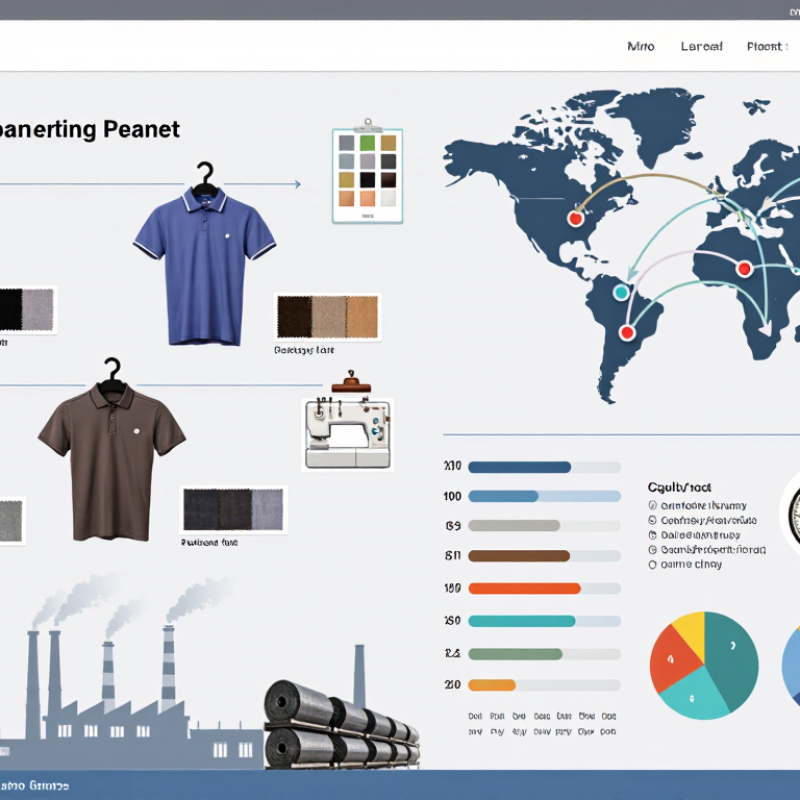
China’s men’s tops manufacturers serve global buyers with varied production strengths. The useful question is not “Who is biggest?” It is “Who can repeat the required result?”
Men’s tops cover several technical categories. T-shirts need stable jersey, clean neck rib, and controlled shrinkage. Shirts demand accurate collars, button placement, and balanced sleeve plackets. Polos require dependable pique knitting and a firm, even collar. Sweatshirts depend on fleece weight, brushed softness, and rib recovery. Knitwear adds gauge, yarn composition, linking quality, and pilling resistance. Each category needs a different inspection plan. A factory skilled in cotton tees may not handle shaped knitwear well.
Experienced buyers usually send a clear measurement chart and fabric specification. Include GSM, fiber percentages, dye references, seam allowance, and tolerance limits. Request a sample before bulk production. Wash it. Measure it again. Check twisting, color change, loose threads, and seam strength. I once treated a soft hand feel as proof of quality; it was not. The fabric later showed excessive pilling after repeated washing. That mistake changed my process. Factory audits should review machinery, production records, needle control, and final inspection methods. Photos help, but physical samples reveal more. Communication also matters. A reliable manufacturer explains limitations instead of promising everything. Buyers should challenge vague answers and record every approved detail.
Typical fabric-weight ranges by men's top category
Fabric weight is measured in grams per square meter (GSM). T-shirts and woven shirts are generally lighter, while polos, sweatshirts, and knitwear typically use heavier fabrics. These are common industry ranges for product development and sourcing comparisons, not company-specific figures.
China remains a major sourcing base for mens tops, supported by a broad textile and apparel manufacturing network. According to China Customs data reported by the China National Textile and Apparel Council, textile and apparel exports reached approximately US$293.6 billion in 2023. This figure includes yarns, fabrics, home textiles, and finished clothing. It shows production depth, not automatic supplier quality.
For global buyers, the supplier base ranges from fabric mills to cut-and-sew factories. The WTO’s World Trade Statistical Review 2024 also confirms China’s continued importance in global merchandise trade. However, export scale can hide uneven performance. A factory may offer excellent cotton jersey but struggle with color consistency or small-batch scheduling. Buyers should review recent test reports, production photos, and measurement records. A practical trial order still matters more than a polished factory profile.
Tips Ask for fabric composition, GSM, shrinkage, colorfastness, and needle detection records. Confirm whether testing follows recognized standards such as ISO or AATCC methods. Compare at least three suppliers, and keep approved samples beside bulk production. Small details matter. One weakness remains: public export data rarely reveals factory-level reliability. That gap requires careful verification through audits, sample checks, and transparent communication.
For global buyers comparing men’s tops manufacturers, fabric capability should be checked against the product brief. Ask for fiber composition, fabric weight, shrinkage results, and colorfastness data. A cotton jersey swatch may feel soft, yet change shape after washing. Request washed samples, not just showroom pieces. Small details matter.
Capacity is more than a monthly output figure. Ask how many sewing lines can handle your styles, and whether production shifts during peak seasons. Minimum order quantities often depend on fabric dye lots and trim sourcing, so confirm them by color and size range. Lead time should include sampling, fabric approval, cutting, sewing, and inspection. Pin down milestone dates. Vague promises are hard to plan around.
Quality systems deserve evidence. Look for documented checks on incoming fabric, in-line stitching, measurements, and finished garments. Ask how defects are recorded and corrected, and request recent inspection reports where available. A polished sample can still hide inconsistent bulk production. I would not treat a scorecard as perfect; paperwork can look stronger than floor-level practice. A small trial order may expose issues before larger commitments.
The figures below are indicative sourcing benchmarks for common China garment-factory profiles, not verified specifications of particular suppliers. Actual capacity, minimums, schedules, and quality credentials vary by product and must be confirmed in writing.
| Factory profile | Common menswear fabrics | Indicative monthly capacity | Indicative MOQ | Typical bulk lead time | Quality-system checks for buyers | Best suited for |
|---|---|---|---|---|---|---|
| Small-batch knitwear workshop | Cotton jersey, cotton-spandex jersey, lightweight rib | About 3,000–15,000 basic tops per month | Often around 100–300 pieces per style; color minimums may apply | About 25–40 days after sample and materials approval | Confirm written measurement tolerances, fabric inspection, and final inspection records. Ask whether inspection is in-house or independent. | Test orders, simple T-shirts, and developing product lines |
| Mid-sized cut-and-sew factory | Jersey, pique, interlock, French terry, light fleece | About 15,000–80,000 basic or moderately detailed tops per month | Often around 300–1,000 pieces per style and color, depending on fabric sourcing | About 30–50 days after approvals; custom fabric can extend the schedule | Request the inspection plan, in-line and final QC records, defect classification, and applicable audit or certification documents for verification. | Repeat seasonal orders and a mix of casual tops |
| Large-volume knitwear producer | Cotton jersey, pique, interlock, fleece, blended performance knits | About 80,000–300,000 basic tops per month across production lines | Commonly 1,000 or more pieces per style and color; confirm line and fabric minimums | About 35–60 days after approvals, subject to order size and production loading | Check traceable batch records, documented process controls, testing arrangements, corrective-action procedures, and current third-party audit evidence where required. | Large, repeat programs with stable specifications and forecasts |
| Performance-top specialist | Polyester or nylon knits, stretch blends, moisture-management fabrics | Often about 10,000–100,000 pieces per month, depending on construction and finishing | Often around 500–1,500 pieces per style and color; specialized fabric may require higher commitments | About 35–60 days; allow extra time for performance testing or custom finishes | Specify and test claims such as stretch, colorfastness, pilling, and moisture management against agreed methods and limits. Verify any certificates directly. | Training, outdoor, and technical casual tops |
| Casual woven-shirt producer | Cotton poplin, oxford, twill, linen blends, lightweight flannel | About 10,000–100,000 shirts per month, varying with construction and line setup | Often around 300–1,000 pieces per style and color | About 35–60 days after fabric, trims, and fit approval | Check collar and placket consistency, seam construction, measurement control, shade matching, and pre-shipment inspection documentation. | Casual button-front shirts and woven overshirts |
Before placing an order, confirm whether quoted capacity is dedicated or shared, whether MOQ applies per style or per color, and when lead time begins. Request a pre-production sample, approved measurement and fabric specifications, a production schedule, and an agreed inspection standard. Certifications and audit reports should be checked for scope, validity, and issuing organization.
China Best Mens Tops Manufacturers for Global Buyers?
China’s apparel exports reached US$159.1 billion in 2023, a useful signal of the country’s manufacturing and export capacity. But a national figure cannot verify an individual factory. Buyers still need to check whether a supplier can produce men’s tops consistently, meet delivery schedules, and prepare accurate shipping documents.
Look beyond a polished product catalog. Request recent production photos, fabric specifications, sample measurements, and a clear quality-control process. For a cotton T-shirt, confirm the fabric weight, color standard, stitching details, and shrinkage results before approving bulk production. Ask how the supplier handles delays or rejected pieces. Vague answers deserve a follow-up. Export experience matters, but it does not guarantee every order will run smoothly; even a careful review can miss small details.
Tips: Compare the supplier’s stated capacity with your order size and timeline. Request a sample and inspect it under ordinary use and washing. Check that quotations identify fabric, sizing, packaging, and delivery terms. Keep written records of approved changes. A spreadsheet helps. These checks take time, and they may feel repetitive, but skipping them can make problems harder to trace later.
China Best Mens Tops Manufacturers for Global Buyers?
A dependable mens tops partner should match your product specifications, compliance needs, and total landed cost—not just the quoted unit price. Start with a clear tech pack: fabric composition, weight, color tolerance, stitching, measurements, labels, and packaging. For example, specify a 180 GSM cotton jersey and define how much shrinkage is acceptable after washing. Vague details invite inconsistent samples and costly corrections.
Request recent test reports and confirm they apply to the exact fabric, dye, and finished garment you plan to order. Check requirements for your destination market, including fiber labeling, restricted-substance limits, and documentation. Ask who conducts inspections and when. A report is useful, but it does not guarantee every production batch will match. Verify with a pre-production sample and, where practical, an independent inspection.
Calculate landed cost per sellable unit. Include freight, insurance, duties, brokerage, packaging, payment fees, and expected defects—not only the factory price. Compare quotes using the same order quantity, delivery terms, and testing scope. A low quote can be misleading. I have seen buyers focus too heavily on price and overlook rework or delays; that judgment deserves a second look. Agree on tolerances, delivery dates, and remedies in writing, then review the first production run before scaling up.