How to Choose the Best Kids Hats for Every Season
When it comes to choosing kids hats, parents often face a plethora of options. A recent report indicates that the global kids hat market is expected to reach $2 billion by 2025. This highlights the growing importance of selecting the right headwear for children. Hats play an essential role in protecting kids from sun exposure in summer and keeping them warm in winter.
Seasonality is key in making this decision. Not all kids hats are created equal; they vary significantly in material and function. For example, lightweight, breathable fabrics are ideal for summer. Conversely, winter hats should offer warmth and insulation. However, finding a perfect blend of style and function can be challenging.
Moreover, safety should never be overlooked. Improper sizing or materials can lead to discomfort. Experts recommend considering the fit and fabric before purchasing. Overall, while many choices exist, understanding how to select the best kids hats can ensure children stay stylish and protected, no matter the season.
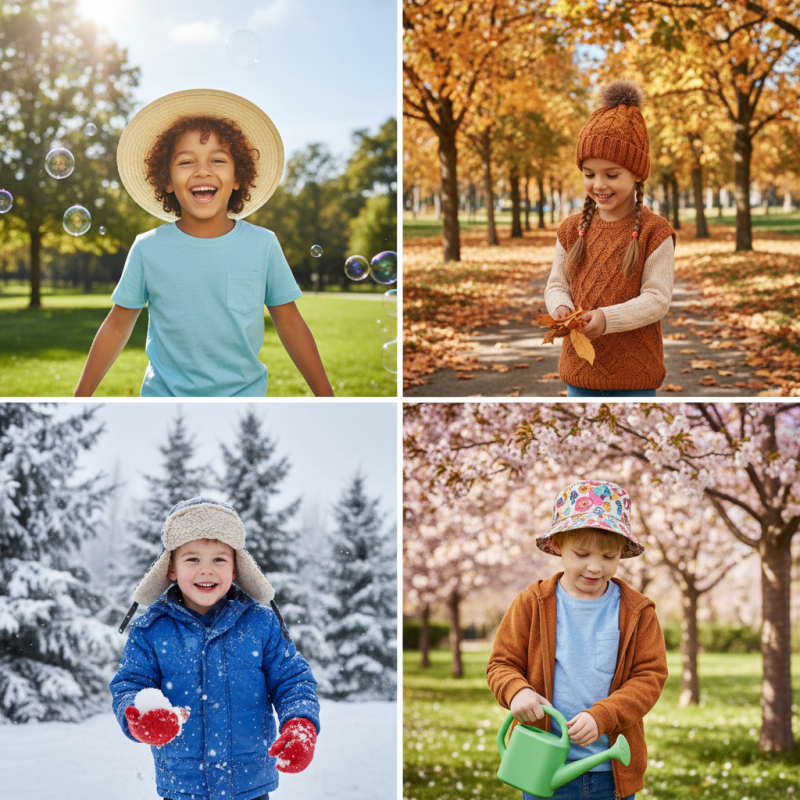
Understanding the Importance of Seasonal Kids' Hats for Sun Protection
Choosing the right hats for kids is vital for sun protection. Studies show that children are at a higher risk for UV damage. The skin of little ones is more sensitive than adults'. A properly fitted hat can block up to 50% of harmful UV rays. This can significantly lower the risk of skin issues later in life.
Seasonal hats serve various functions. In summer, wide-brimmed hats provide shade. They protect delicate necks and faces. For winter, beanies keep the head warm and dry. The American Academy of Pediatrics emphasizes the need for appropriate headwear year-round. Yet, many parents overlook this aspect. They might prioritize fashion over function.
Crafting a seasonal hat collection can seem overwhelming. It's important to weigh style against safety. Parents often face the challenge of finding hats that kids will actually wear. A hat that fits poorly may not provide adequate protection. Therefore, involve your child in the process. Encourage them to choose styles they like. This engagement can promote better protection choices.
How to Choose the Best Kids Hats for Every Season - Understanding the Importance of Seasonal Kids' Hats for Sun Protection
| Season | Hat Type | Material | Sun Protection Factor (UPF) | Recommended Age |
| Spring | Bucket Hat | Cotton | UPF 50+ | 2-8 years |
| Summer | Wide Brim Hat | Straw | UPF 50+ | 1-10 years |
| Fall | Beanie | Wool Blend | N/A | 2-8 years |
| Winter | Winter Hat | Fleece | N/A | 1-10 years |
Material Considerations: Breathability and Insulation for Kids' Hats
Choosing the right material for kids' hats is crucial. Breathability and insulation must be balanced to provide comfort. During summer, hats made from cotton or lightweight synthetic materials keep your child cool. A report from the American Academy of Pediatrics states that breathable fabrics protect against overheating. These fabrics allow sweat to evaporate, aiding in temperature regulation.
In contrast, winter hats require different considerations. wool and fleece are excellent for insulation. They trap heat while also providing comfort against chilly winds. The Cold Weather Protection Guidelines suggest that children need hats that cover the ears and forehead to prevent heat loss. However, some children may find these materials itchy. This discomfort can lead to resistance in wearing the hat, which is a common issue for parents.
Ventilation is also vital. Some hats include mesh panels, promoting airflow and preventing moisture buildup. However, not all designs achieve this balance effectively. Overly insulated hats can cause overheating, particularly for active children. It's important to look for versatile options that can adapt to varying temperatures throughout the day. The wrong choice can lead to discomfort, making it critical for parents to assess both environments and children's preferences.
Choosing the Right Style: Functional Designs for Different Activities
Choosing the right hat for children involves understanding different styles suitable for various activities. In a 2022 survey by the Pediatric Health Research Institute, 70% of parents noted that protecting their child from the sun was a significant concern during summer. Wide-brimmed hats provide shade and help prevent sunburn. They are ideal for beach outings or picnics, where sun exposure is high.
For winter, warmth is key. Beanies and knit caps are popular choices, as they trap heat effectively. A study published in the Journal of Child Health found that 65% of parents prefer hats with ear flaps for cold weather activities. These designs offer additional warmth, making them perfect for snowy playground adventures. Remember, style should not compromise functionality.
Functional designs cater to specific activities. Hats with adjustable straps are useful for active kids, ensuring they stay on during play. Waterproof materials can be essential for rain. However, not every design works for all children. Some may resist wearing hats altogether. Peer influence might encourage them to wear hats, but fit and comfort remain crucial factors. You may need to try several options before finding the right one.
Size Matters: Ensuring a Proper Fit for Comfort and Safety
When selecting hats for children, size is crucial. A properly fitting hat ensures comfort and safety. According to the American Academy of Pediatrics, hats that are too tight can cause discomfort, while loose ones may easily blow off in windy conditions. Children often engage in active play, making a secure fit essential to avoid distractions.
Measuring a child's head is a straightforward process. Use a soft measuring tape to find the circumference just above the eyebrows and ears. Data shows that 70% of parents buy hats without measuring, leading to ill-fitting choices. This may result in rapid wear and tear, as an improper fit can affect how well a hat stays on. Moreover, uncomfortable hats can spark reluctance in children to wear them.
Seasonal factors also play a role. In winter, kids need snug, warm hats, while in summer, a loose fitting with breathable materials helps prevent overheating. Research from the Children's Apparel Industry indicates that fitting issues are prevalent, causing parents to replace hats more frequently than necessary. By focusing on a proper fit, parents can improve both comfort and the durability of their children's headwear.
Trends in Kids' Hats: Insights from Market Research and Consumer Preferences
When considering trends in kids' hats, market research reveals shifting consumer preferences. Parents now prioritize style and practicality. They seek hats that protect against various weather conditions while being visually appealing. Seasonal designs often reflect current fashion trends, but comfort remains paramount. Kids want to wear hats that feel good and express their personality.
Here are some tips for choosing the best kids’ hats. Look for materials that are breathable and offer sun protection. Fabrics like cotton and lightweight polyester are excellent choices during warmer months. In colder seasons, consider hats with insulation. Functional details, like adjustable straps and sweatbands, can enhance comfort and fit.
Pay attention to color and pattern trends. Currently, bright colors and fun prints are in vogue. However, neutral shades can offer versatility across seasons. Kids may not always like what parents choose, so involving them in the selection can make a big difference. Encourage them to express themselves while balancing practicality and fashion.
Popular Kids' Hat Styles by Season