How to Choose the Best Turf Football Shoes for Teams?
Choosing the right Turf Football Shoes can influence grip, comfort, confidence, and team performance. Yet the “best” pair is rarely identical for every player. A goalkeeper may value quick lateral movement, while a winger may need lightweight acceleration. Defenders often prefer stronger uppers and reliable ankle support. Small differences matter during a hard evening session.
Start with the playing surface. Artificial turf can vary from short, firm fibers to longer, softer fields. A shoe with short rubber studs may provide controlled traction on compact turf. Excessive grip can feel uncomfortable and may restrict natural movement. That risk deserves attention. Coaches, equipment managers, and experienced players should inspect the sole pattern, flexibility, and heel stability before choosing a team model. The fit should feel secure without pressing the toes. Try the shoes with match socks. Walk, cut, and stop in them.
Durability also requires practical judgment. Stitching, toe protection, and outsole bonding can reveal how a shoe may handle repeated training. However, product descriptions cannot replace real testing. A model that performs well in dry conditions might feel different after rain or heavy use. Teams should test several pairs during warm-ups, not only in a store. Feedback should be recorded from players with different positions and foot shapes. There is no perfect choice. A cheaper shoe may last longer for one player, while a premium model may not suit another. Good selection combines manufacturer information, professional guidance, and honest player experience. That approach supports safer movement and more consistent team preparation.
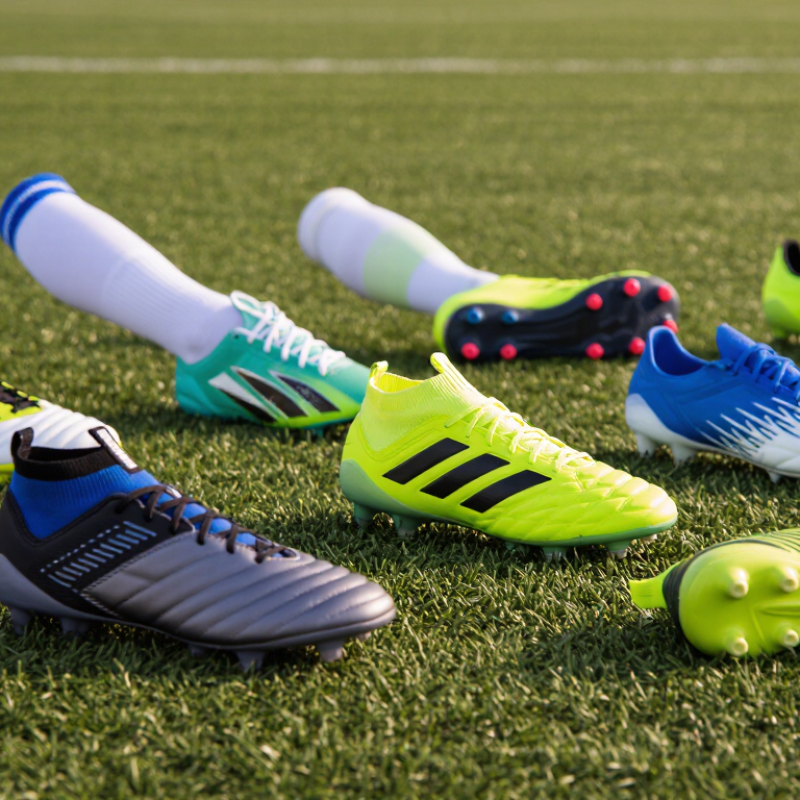
Identify Team Needs and Playing Conditions
How to Choose the Best Turf Football Shoes for Teams?
Identify team needs before comparing turf football shoes. Not every artificial field feels the same. Some surfaces are short, firm, and fast, while others have deeper, softer fibers. Ask where the team trains most often. A shoe with many small rubber studs usually supports controlled movement on modern turf. Longer or aggressive studs may feel unstable and could damage certain surfaces. Check the facility’s rules before buying.
Players also need different support. Defenders may value stability during sudden changes of direction. Wingers often prefer lighter shoes for repeated sprints. Goalkeepers may need secure traction when pushing sideways. Measure both feet late in the day, then test the shoes with match socks. There should be slight toe-room, but the heel must not lift. I once trusted a comfortable first fitting too quickly; after several sessions, the heel slipped. That mistake changed how I evaluate footwear.
Tips:
Walk, jog, and cut sharply before purchasing. Test shoes on the team’s actual turf when possible. Inspect the sole after training for unusual wear. Wet conditions can reduce grip, even with suitable studs. Rotate footwear if sessions are frequent. Coaches should record player feedback, not rely only on appearance. A checklist helps, but it cannot replace real movement. Teams should review comfort after two or three practices, because early impressions can be misleading.
Compare Turf Outsole Patterns and Traction
Choosing turf football shoes for a team starts with the outsole pattern, not the color or price. Short, densely spaced rubber nubs spread pressure across compact artificial grass. Larger, widely spaced lugs can bite harder, but they may feel unstable on older turf. A perfect pattern does not exist.
FIFA’s 2023 Quality Programme Handbook measures artificial-turf rotational resistance between 25 and 50 Nm. This range shows why extreme grip is not automatically better. Players need controlled release during turns, especially near the penalty area. For newer, shorter turf, use many low-profile nubs. For longer or more abrasive surfaces, slightly deeper multidirectional lugs may improve push-off. Avoid shoes with sharp, football-specific studs. They can overload the surface and the player’s joints.
Test traction with simple movement drills. Perform a short sprint, a curved cut, and a stop on the actual training pitch. Notice whether the foot slips, sticks, or twists inside the shoe. The outsole should support movement without fighting it. A 2022 review in the British Journal of Sports Medicine linked high shoe-surface traction with greater lower-limb loading, although results varied by surface and athlete. That uncertainty matters.
A common fitting mistake is testing only on a dry pitch. Wet turf changes everything. Measure several players, not only the fastest ones. Team-wide comfort can reveal weaknesses that one player misses. Recheck the outsole after several sessions; worn nubs often change traction before the upper looks damaged.
How to Choose the Best Turf Football Shoes for Teams?
This comparison uses a 0–100 practical performance index. Multi-directional patterns provide the strongest all-around traction, while herringbone patterns emphasize forward braking and hexagonal patterns offer a balanced combination of grip and release during turns.
Evaluate Fit, Support, and Injury Protection
Choosing turf football shoes for a team starts with fit, not appearance. A secure heel should stay still during sharp cuts, while the toes need about a thumb’s width of space. Too much room creates sliding. Too little room causes pressure and bruised nails. In practical fitting sessions, players often choose shoes that feel comfortable while standing. That is not enough. Test them with quick lateral movements and a short sprint.
Support should match the playing surface and the athlete’s movement style. Turf outsoles need many small studs for controlled grip, rather than excessive penetration. FIFA’s Quality Programme for Football Turf evaluates traction, shock absorption, and surface deformation, showing why footwear and surface performance must work together. The UEFA Elite Club Injury Study reports approximately eight match injuries per 1,000 hours, compared with about two during training. Shoes cannot prevent every injury. They can reduce avoidable slipping and unstable landings. Sometimes, the “best” shoe still feels wrong after twenty minutes.
Tips: Fit shoes late in the day, when feet are slightly larger. Wear the socks used during matches. Check heel movement, toe pressure, and arch comfort. Replace worn studs before grip changes noticeably. Coaches should record complaints, not dismiss them as adaptation. A player’s feedback may be inconsistent, but it remains useful evidence.
Select Models by Budget, Sizing, and Team Requirements
How to Choose the Best Turf Football Shoes for Teams?
Set a clear per-player budget, then compare fit and expected wear—not just the purchase price. Entry-level models can suit occasional training, while frequent sessions may justify tougher uppers and reinforced toe areas. Check the outsole for short, evenly spaced rubber studs designed for artificial turf. FIFA’s Football Turf testing evaluates shock absorption, vertical deformation, rotational resistance, and ball roll. These measures describe the surface, but they also remind teams that traction and comfort depend on the field beneath the shoe. A shoe that feels secure on one pitch may feel less stable on another.
Sizing needs a team-wide check. Measure both feet late in the day, wear match socks, and leave a small amount of toe room without allowing the heel to slip. Try quick turns and short sprints indoors before removing the tags. Players with wide feet or growing feet may need different models, even within one squad. We once made the shortlist too uniform; it looked tidy, but it ignored real differences between players.
Tips: Ask each player to test a pair with match socks. Record fit, heel movement, and pressure near the toes. For budget control, buy a small trial batch first. Keep the size chart and FIFA surface guidance with team equipment records. Comfort matters. So does grip.