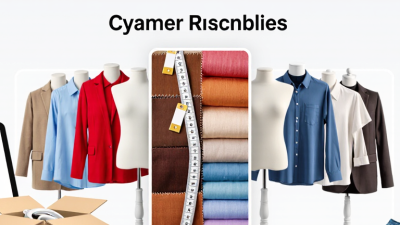
How to Find Reliable Fitness Wear Suppliers?
Finding a reliable fitness wear supplier requires more than comparing factory prices. It demands evidence, testing, and careful communication.
The global sports apparel market continues to expand. Grand View Research valued it at approximately USD 248 billion in 2023 and expects steady growth through 2030. Textile Exchange reported that global fiber production reached 124 million tonnes in 2023. These figures show strong demand, but they also reveal rising pressure on materials, traceability, and environmental claims.
Matt Powell, a respected sports-industry analyst, once summarized the buyer’s challenge: “Value is not just price.” That principle matters when evaluating fitness wear suppliers. A low quotation may hide weak stitching, unstable fabric quality, or missed delivery dates.
Look closely.
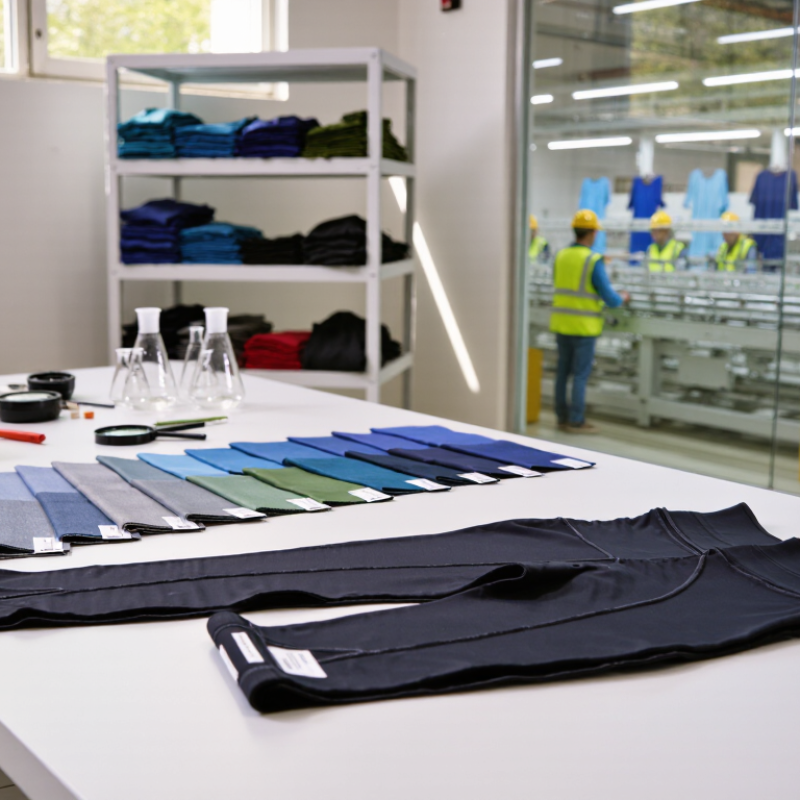
A dependable supplier should provide fabric composition records, laboratory test results, production samples, and clear minimum order quantities. Ask for abrasion resistance, colorfastness, stretch recovery, and moisture-management data. Request a sample pair of leggings, then inspect the waistband after repeated washing. Small details expose large problems.
Supplier audits also matter. Verify factory ownership, worker-safety practices, production capacity, and certification numbers. Certifications should be checked with the issuing organization, not accepted from a PDF alone. Standards such as GRS, OEKO-TEX, and ISO 9001 can support due diligence, but they do not replace direct verification.
This process is not perfect. Reports can become outdated, and samples may look better than bulk production. That is why staged orders, independent inspections, and written quality tolerances remain essential. A reliable fitness wear partner earns trust through repeatable performance, not persuasive promises.
Define Your Fitness Wear Sourcing Requirements
How to Find Reliable Fitness Wear Suppliers?
Define Your Fitness Wear Sourcing Requirements
Reliable sourcing starts with a precise product brief. Define the activity, target customer, climate, and expected movement. Running leggings need different support than studio shorts. State fabric composition, stretch percentage, fabric weight, colors, sizes, seam types, and logo placement. Include practical details, such as squat opacity, sweat control, and pocket depth. A clear brief helps suppliers quote accurately and prevents expensive revisions.
Set commercial requirements before contacting factories. Record your target cost, minimum order quantity, sample budget, production timeline, packaging needs, and delivery destination. Ask suppliers to explain their testing process and material traceability. Request a measured sample, then check waist recovery, stitching, shrinkage, and colorfastness after washing. I have found that small measurement differences can affect comfort significantly. My own early briefs were sometimes too general. That created avoidable sample changes.
Tips: Use a one-page sourcing sheet. Add acceptable measurement tolerances. Keep a sample log. Ask for evidence, not promises. Compare two or three quotations carefully. Check whether the supplier can repeat the same fabric and color across production batches. Do not approve a sample after one quick fitting. Test it during movement, washing, and ordinary wear. Reliability becomes clearer through documented responses and consistent results.
Research and Shortlist Potential Fitness Wear Suppliers
Researching fitness wear suppliers requires more than comparing catalog photos and quoted prices. Start with evidence. Define your product needs before contacting factories: fabric composition, stretch recovery, seam construction, size range, colorfastness, and target order volume. Build a shortlist from trade directories, industry referrals, and supplier websites with clear production information. A polished website is not proof of capability. Check how long the supplier has produced activewear and whether its equipment matches your designs. Ask for recent, relevant samples, not generic leggings from an old collection.
Test each sample as an athlete would. Wash it repeatedly, stretch the waistband, inspect flat seams, and check opacity under bright light. Record shrinkage, pilling, drying time, and odor retention. Request technical documents for fiber content, performance claims, and quality procedures. If a supplier avoids precise answers, mark that risk clearly. Contact two or three previous business customers when possible, but do not rely on testimonials alone. Independent inspection or a small trial order can reveal packing errors and inconsistent sizing.
Shortlist suppliers with a scoring sheet covering sample quality, communication, minimum order quantity, lead time, payment terms, and corrective-action speed. Keep written records of every promise. Fast replies can still hide weak production control. I have seen attractive samples fail when bulk fabric came from a different lot; this is an easy detail to miss. Ask how materials are approved before cutting and how defects are handled. Your shortlist should remain flexible, because one promising supplier may not survive a realistic test order.
Evaluate Supplier Quality, Compliance, and Production Capacity
How to Find Reliable Fitness Wear Suppliers?
Reliable fitness wear suppliers should prove their quality, compliance, and production capacity with clear evidence. Request fabric specifications, colorfastness results, shrinkage tests, and sample measurements. A professional supplier should explain how each test was performed. Do not trust attractive samples alone. I have learned that bulk production can differ from a carefully prepared sample.
Check compliance carefully. Ask for factory certifications, material declarations, worker safety records, and recent third-party audit reports. Documents should match the actual factory address and production scope. Confirm whether the supplier uses subcontractors. This detail is often overlooked. A supplier may appear transparent, yet provide incomplete records. That deserves further questions, not immediate rejection.
Tips: Order a small trial batch before making a large commitment. Measure stitching strength, waistband recovery, print durability, and washing performance. Ask for a production schedule with inspection points. Compare promised capacity with available machines, workers, and warehouse space. A factory claiming unlimited output may lack realistic planning. Contact two or three recent buyers when possible, and ask about delays, defect rates, and communication. Keep written records of every specification. Small misunderstandings become expensive later.
How to Find Reliable Fitness Wear Suppliers?
Supplier evaluation framework based on quality, compliance, and production-capacity indicators commonly used in apparel sourcing.
The scores represent screening targets on a 100-point scale. Quality and compliance should be verified through certifications, test reports, factory audits, and production records rather than supplier claims alone.
Select a Supplier and Build a Reliable Working Partnership
A reliable fitness wear supplier should become a working partner, not just a low-price manufacturer. The McKinsey and World Federation of the Sporting Goods Industry report projects 8–10% annual sporting goods growth from 2021 to 2025. This pressure can expose weak suppliers quickly. Ask for production records, fabric test results, and recent quality data. Review sample stitching, waistband recovery, colorfastness, and washing performance. A video call should include the production floor, not only a sales office.
Build a shared operating routine after selection. Set agreed lead times, inspection points, packaging details, and response times in writing. Request a small pilot order before larger production. Track defect rates and late deliveries across several cycles. Textile Exchange reported that global fiber production reached 116 million tonnes in 2022 and may reach 147 million tonnes by 2030. This makes material traceability increasingly important. Ask where fibers come from and whether records can support each claim. No scorecard is perfect. A polished audit can still miss overtime pressure, rushed repairs, or weak subcontractor control.
Tips:
Keep one shared specification sheet. Schedule monthly performance reviews. Test every new fabric batch. Do not change measurements through casual messages. If a supplier avoids clear answers, pause expansion. Trust develops slowly, and even experienced buyers sometimes overlook small warning signs.