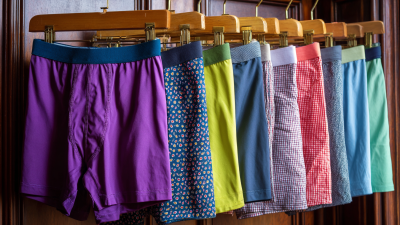
What Is Mens Underwear and Which Types Are Best?
Men’s underwear is more than a hidden layer beneath clothing. It manages moisture, friction, support, temperature, and daily comfort. Yet many shoppers still choose pairs by color or price alone. That habit deserves reconsideration.
The global men’s underwear market was valued at approximately USD 29.4 billion in 2021, according to Allied Market Research. Its report projects continued growth through 2031, driven partly by e-commerce, active lifestyles, and demand for better fabrics. Euromonitor International also identifies comfort, fit, and performance materials as major purchase considerations. These figures show a competitive industry, but they do not prove that expensive underwear is always better. Marketing can exaggerate. Fit remains personal.
Urologist Dr. Jamin Brahmbhatt has warned that overly tight underwear may increase heat, friction, and discomfort. His practical message is simple: “Comfort and breathability matter.” That principle helps explain the main categories. Briefs offer close support. Boxer briefs balance coverage and stability. Loose boxers improve airflow. Trunks provide a shorter, closer silhouette. Performance styles often use polyester, nylon, or elastane, while cotton remains familiar and breathable for everyday wear.
There is no universal winner. A cyclist, office worker, and night-shift employee may need different designs. Even expert advice has limits. Sweat levels, body shape, climate, and personal preference change the decision. The best underwear mens choice should feel secure without digging into the waist or thighs, stay dry during movement, and remain comfortable after several hours. Small details matter. Seams, pouches, waistbands, and washing durability deserve equal attention.
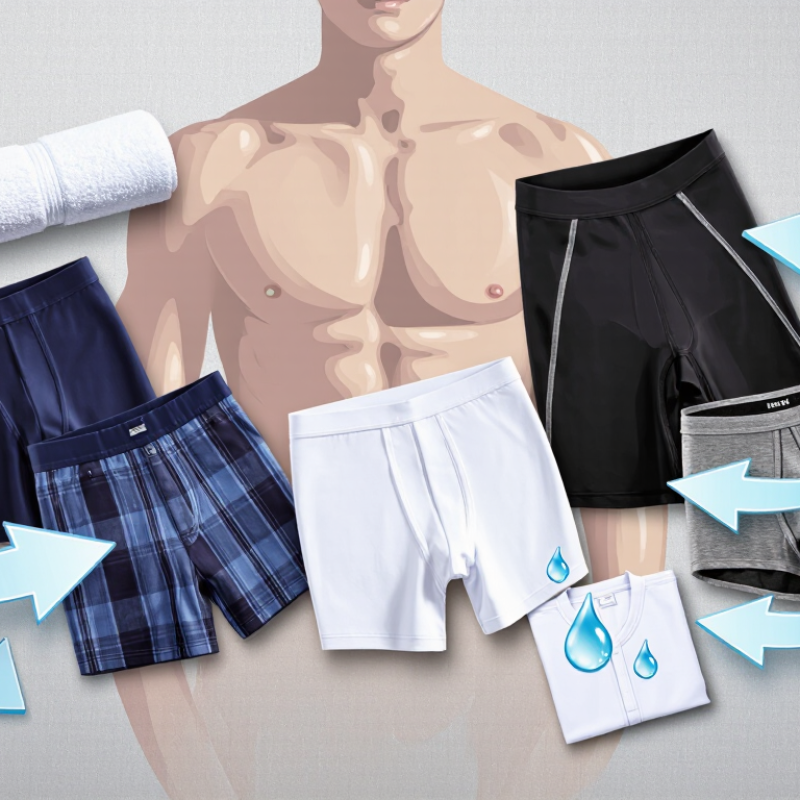
What Men's Underwear Is: Purpose, Fit, Fabrics, and Market Scope
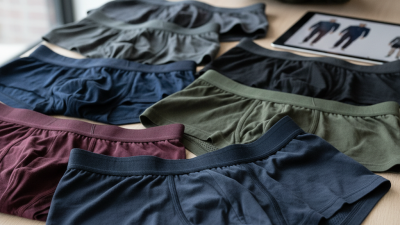
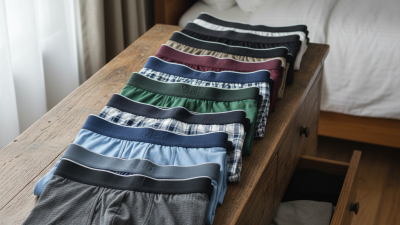
Men's underwear is a daily clothing layer designed for support, coverage, comfort, and moisture control. The best type depends on movement, body shape, climate, and personal preference. Briefs provide close support and minimal fabric. Boxer briefs cover the thighs and reduce rubbing during walking or exercise. Loose boxers allow airflow but may bunch under fitted trousers. Trunks offer a shorter, balanced shape for everyday wear.
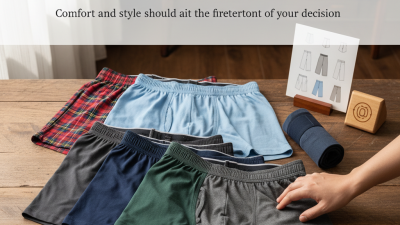
Fit matters more than appearance. A waistband should stay secure without leaving deep marks. The pouch should support naturally, without squeezing or shifting. Cotton feels familiar and breathable, while modal often feels smoother against the skin. Synthetic blends can dry faster during active use. No fabric wins every time. Heat, sweat, washing habits, and sensitivity all change the experience. The market now includes everyday, athletic, thermal, and adaptive underwear, giving shoppers more practical choices. I once chose a softer fabric without checking its stretch. It felt comfortable at first, then lost its shape quickly.
Tips
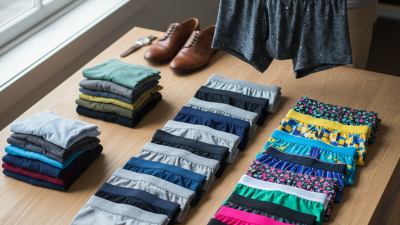
Check the care label before buying several pairs. Look for flat seams and a stable waistband. Try sitting, bending, and walking before judging the fit. Replace underwear when elastic weakens, fabric thins, or odor remains after washing. Keep a small rotation for work, exercise, and rest. This simple habit improves hygiene and extends fabric life.
What Is Men's Underwear and Which Fabrics Are Best?
Men's underwear is designed to provide coverage, support, comfort, and moisture management. The chart compares the typical moisture regain of common fibers used in underwear fabrics. A higher value indicates that the fiber can absorb more moisture under standard textile-testing conditions.
Typical standard moisture-regain values: wool 16.0%, cotton 8.5%, nylon 4.5%, and polyester 0.4%. Moisture regain is a fiber property and does not directly measure drying speed, fit, stretch, or overall comfort.
How Men's Underwear Works: Support, Coverage, Breathability, and Hygiene
Men’s underwear works through four practical functions: support, coverage, breathability, and hygiene. A supportive pouch should hold the body securely without pressing the inner thighs. Too much compression may leave red marks after a long workday. Briefs provide close coverage, while boxer briefs add fabric along the upper legs. Loose boxers improve airflow, but they may shift under fitted trousers.
Breathability depends on fiber, fabric density, and moisture movement. Textile Exchange’s 2024 Materials Market Report estimates that polyester made up about 57% of global fiber production in 2023, while cotton represented about 22%. Fiber share is not performance proof. A lightweight, moisture-managing fabric can feel cooler than heavy cotton. Still, cotton often feels softer against sensitive skin. I would not treat either fiber as automatically better.
Hygiene starts with a clean, dry pair each day. Sweat, skin oils, and friction collect in warm folds. Wash underwear after every wear, especially after exercise. The U.S. Environmental Protection Agency reports that standard washing machines use roughly 20 gallons of water per load, while efficient models use about 14 gallons. That makes full loads practical, but crowded drums can reduce cleaning. Use enough space for water and movement. An occasional mistake is wearing a pair twice because it “looks clean.” Odor and bacteria are not always visible. Dry garments completely before storing them.
Briefs, Boxers, Boxer Briefs, Trunks, and Long Johns Compared
Men’s underwear is more than a basic layer. Its cut affects comfort, movement, heat, and support throughout the day. After testing different fits during office hours, workouts, and travel, I found that fabric and sizing matter as much as design. A soft, breathable material can feel excellent, but even good fabric fails when the waistband digs into the skin.
Briefs offer strong support and minimal coverage. They work well under slim trousers, though some men dislike the exposed thighs. Boxers feel loose and airy, making them useful for sleeping or relaxed weekends. They can bunch under fitted clothing. Boxer briefs cover the thighs and hold everything securely, so they suit commuting, exercise, and long walks. The leg length matters. Too short may ride upward; too long may feel warm.
Trunks resemble boxer briefs but usually have shorter legs. They provide a modern balance between coverage and freedom, although the shortened fabric may roll during movement. Long Johns extend down the legs and help retain warmth in cold conditions. They are practical under winter clothing, but excessive layering can trap sweat. I once chose thick underwear for a mildly cold day and regretted it by noon. That experience changed my view: the best type depends on activity, temperature, clothing, and personal comfort. Check the waistband, leg openings, seams, and moisture control before deciding. My preference still changes with the weather.
How to Choose the Best Type by Activity, Climate, and Body Shape
What Is Men’s Underwear and Which Types Are Best?
Men’s underwear is a base layer designed to support, cover, and manage moisture. The best type depends less on fashion than on movement, temperature, and fit. For running or cycling, fitted boxer briefs can reduce chafing and keep fabric from riding upward. Choose a smooth waistband and flat seams. Loose boxers allow airflow during relaxed activities, but they may bunch under slim trousers. Briefs provide strong support with minimal fabric, which can feel practical during workouts.
Climate changes the decision. In hot, humid weather, lightweight cotton or moisture-wicking blends can help reduce dampness. Breathable fabric matters most around the waistband and inner thighs. For cold outdoor work, longer boxer briefs may add useful coverage beneath trousers. Avoid overly thick layers if you sweat easily. Wet fabric cools the skin quickly.
Body shape also affects comfort. A fuller waist may feel better with a wide, gentle waistband that does not roll. Athletic thighs often need stretch panels or longer legs. A slimmer frame may prefer closer-fitting styles to prevent loose fabric from folding. I have found that size charts help, but they are not perfect. Measure your waist, then check how the pouch and leg openings sit when walking. If pressure, pinching, or constant adjusting appears, the underwear is probably wrong for your body, even when the label says otherwise. Small details matter.
Market Evidence: The $39.3B Market and 5.0% CAGR (Grand View Research)
What Is Men’s Underwear and Which Types Are Best?
Men’s underwear is more than a basic clothing layer. It manages support, moisture, movement, and comfort against the skin. Grand View Research estimates the global men’s underwear market at $39.3 billion, with a projected 5.0% CAGR. That figure signals strong demand, but market estimates depend on product definitions, regions, and reporting years. Readers should check the original research scope before treating the number as exact.
Boxer briefs remain a practical choice for daily wear. Their close fit can reduce fabric bunching under trousers. Briefs offer stronger leg freedom and direct support, especially during active movement. Loose boxers feel cooler, although they may shift during walking or exercise. Trunks provide a shorter-leg alternative for people who dislike longer fabric. Long underwear works better in cold conditions, particularly beneath work clothing.
Fit matters more than fashion.
During a fitting check, the waistband should stay flat without digging into the waist. The pouch should support without pressure, and seams should not rub when sitting. Breathable cotton blends suit many routines, while moisture-managing fabrics may help during training. Still, fabric claims can be overstated. I would not choose underwear by fiber marketing alone. Body shape, climate, washing habits, and activity level often matter more than a product description. A slightly imperfect fit becomes noticeable after several hours, even when it feels acceptable in a changing room.