
Choosing the right swimming suit can greatly enhance your performance in the water. Expert swimmer and coach, Michael Phelps, once said, "The right suit can make you feel like you can conquer the world." This sentiment resonates with many athletes who understand the importance of finding the best fit.
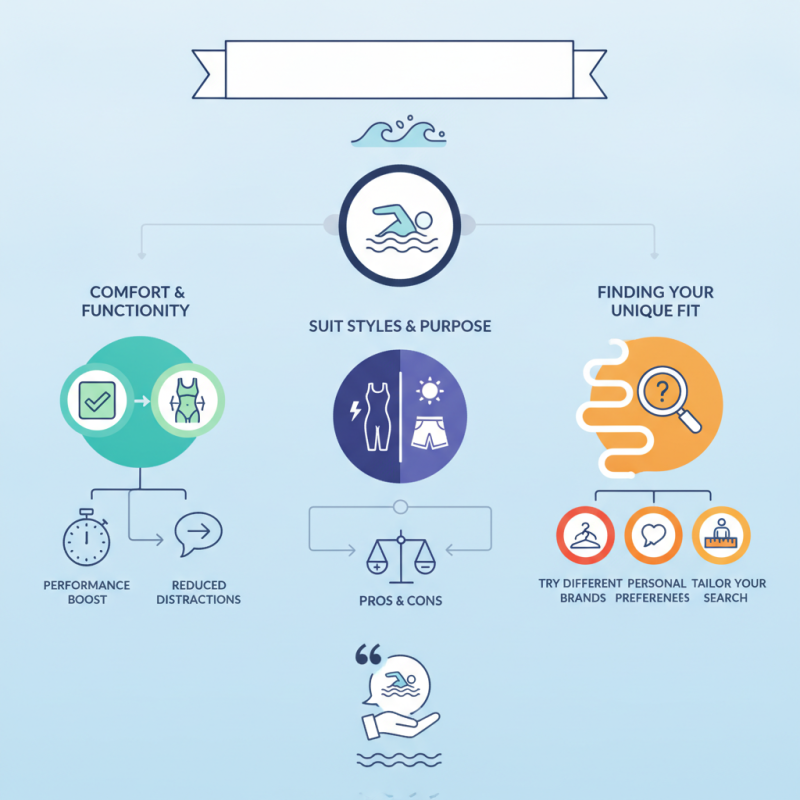
When selecting a swimming suit, it's essential to consider comfort and functionality. A suit that fits poorly can lead to distractions, affecting your focus and performance. Look for suits that offer a snug fit without squeezing too tightly. Additionally, different styles serve various purposes, from competitive racing suits to casual swimwear. Each choice has its benefits and drawbacks.
Remember, the perfect swimming suit may not exist on the first try. It often requires testing different brands and styles. Reflecting on personal preferences can lead to better decisions. Tailoring your search for the right swimming suit involves understanding your unique needs. Embrace the journey of finding what works best for you.
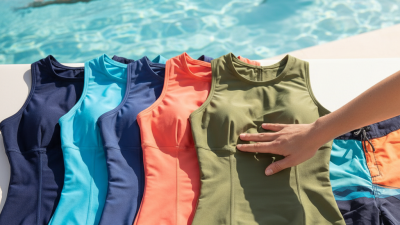
When selecting swimwear, the material plays a vital role. Different fabrics provide unique benefits that can enhance comfort and performance. For instance, polyester is known for its durability and resistance to chlorine damage. It retains its shape well, making it ideal for frequent swimmers. Nylon, on the other hand, offers a softer feel. It dries quickly and provides excellent stretch. However, it may fade more quickly in the sun.
Another popular material is spandex or Lycra. This elastic fabric allows for a snug fit. It provides great support and flexibility for various swimming activities. However, it can lose strength over time if exposed to harsh conditions. The variety of materials means that each swimmer must consider their specific needs. If you're swimming in pools often, high-chlorine resistance is key. For open water, look for UV protection.
Lastly, consider the lining of the suit. A good lining enhances comfort and reduces transparency. However, adding more layers can make suits bulkier. Sometimes, the best fit requires experimentation. It’s essential to try different materials and styles. This can be a trial-and-error process. Balancing comfort, functionality, and personal style is crucial for finding the perfect swimwear.
| Swimwear Material | Benefits | Best For |
|---|---|---|
| Polyester | Durable, resistant to chlorine, retains color well. | Frequent swimmers and competitve use |
| Nylon | Soft texture, quick-drying, lightweight. | Leisure swimming and casual use |
| Spandex (Lycra) | High stretchability, excellent fit, enhances mobility. | Competitive swimming and water aerobics |
| Neoprene | Insulation, buoyancy, and warmth for colder waters. | Open water swimming and triathlons |
| PBT (Polybutylene Terephthalate) | Chlorine-resistant, shape-retaining. | Training and competitive swimwear |
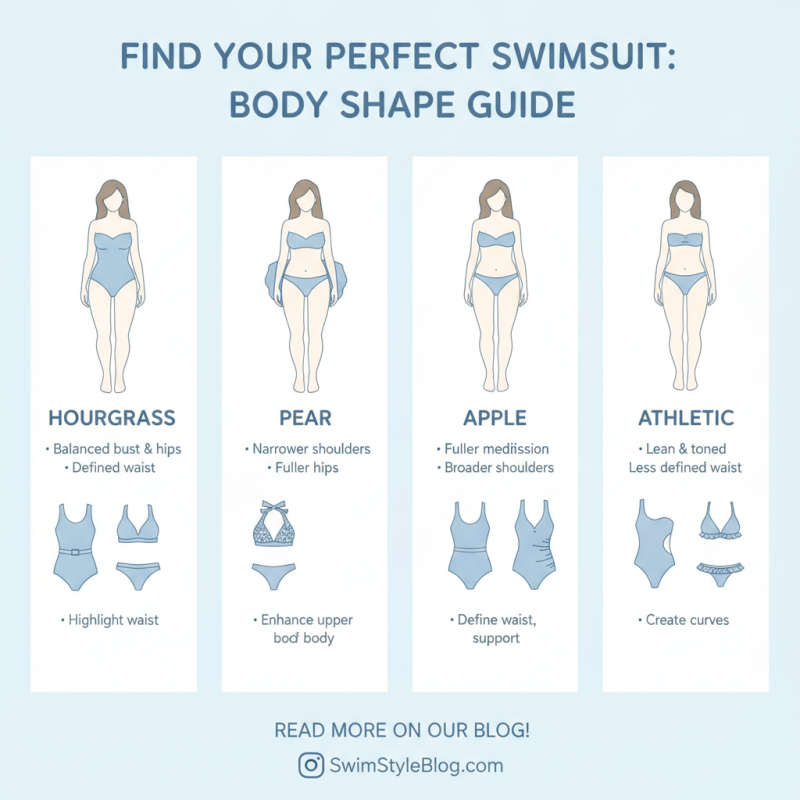
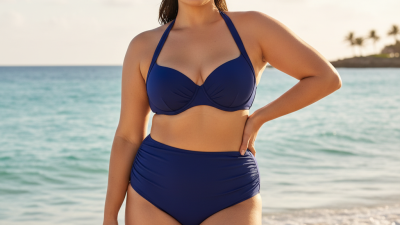
Identifying your body shape is crucial when choosing the perfect swimming suit. There are several common shapes: hourglass, pear, apple, and athletic. Each shape has unique characteristics that can influence what type of suit enhances your features best. For instance, an hourglass figure benefits from swimsuits that accentuate the waist, while pear shapes may prefer styles that highlight the upper body.
Consider your proportions when selecting a suit. If you have broader shoulders and a narrower waist, opt for suits that draw attention to your lower body. This can create balance and enhance your overall look. Conversely, if you have an athletic build, aim for suits with ruffles or patterns to add dimension. The fit should feel comfortable and supportive, avoiding styles that dig into your skin.
Remember, not every suit will feel perfect right away. It’s important to try different styles and even sizes. Take the time to reflect on how each suit makes you feel. The right swimming suit should empower you, making you feel confident in and out of the water. Don’t hesitate to mix and match until you find your ideal fit.
Measuring yourself accurately is crucial when selecting swimwear. Studies show that up to 70% of consumers wear the wrong swim size. This mismatch can lead to discomfort in the water, impacting your overall experience.
To measure yourself effectively, start with a soft measuring tape. Measure your bust, waist, and hips. Record these numbers carefully. For a more precise fit, consider measuring while wearing minimal clothing. Many swimwear brands provide size charts based on these measurements. Yet, interpretation can vary. This is why knowing your measurements is vital.
It’s also important to keep in mind that body shape plays a role in fit. Some styles cater to specific body types. For instance, athletic builds may need more support in certain areas, while curvier shapes might look for suits with extra coverage. Misalignment in expectations and reality is common, which can lead to returns or dissatisfaction. Taking that extra time to get accurate measurements can save hassle later.
Choosing a swimsuit involves understanding current trends and your style preferences. Swimwear reflects individuality, and this year's trends showcase a mix of bold colors and classic cuts. High-waisted styles are popular, offering comfort while enhancing body shape. Meanwhile, cut-out designs add a modern twist, appealing to those looking for something unique.
When exploring options, consider how the suit aligns with your personal style. Some may lean towards vibrant patterns, while others might prefer a minimalist aesthetic. It’s essential to try different styles. Comfort is paramount, and what looks good on a hanger may feel different when worn.
Body shape plays a crucial role in selection. A style that flatters one type may not suit another. Pay attention to how each suit fits, especially around the bust and hips. Sometimes, adjustments are necessary to achieve the ideal look. Remember, the perfect swimsuit is not just about trends. It’s also about how confident and comfortable you feel.
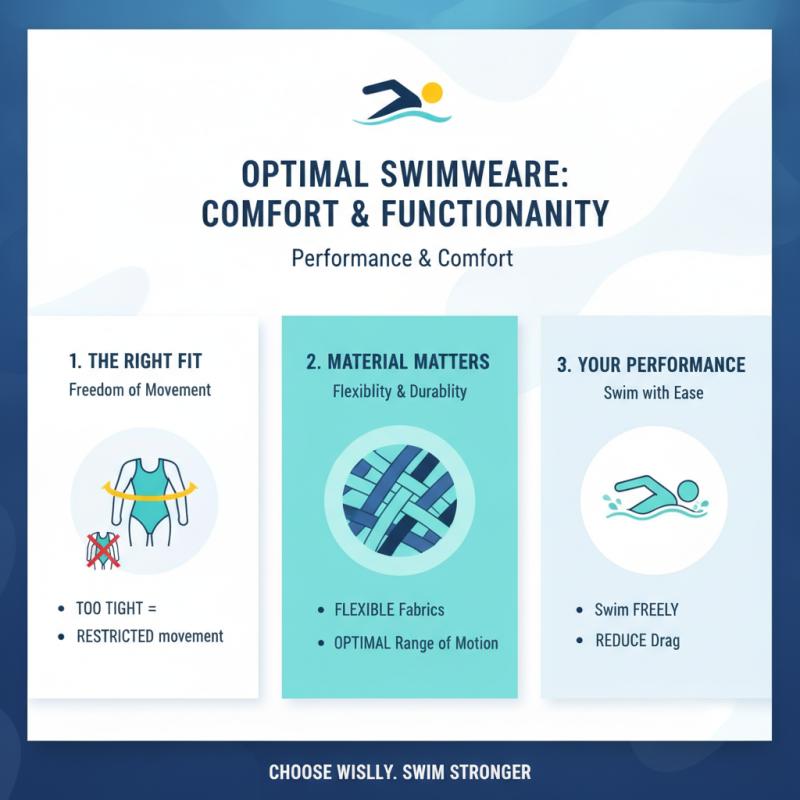
Choosing the right swimwear often feels overwhelming. Comfort and functionality must work together seamlessly. A good fit means you can swim freely. If your suit fits too tightly, it can restrict movement. Look for suits made from flexible materials that allow for proper range.
Evaluate the seams and lining carefully. Flatlock seams can reduce chafing. Ensure the lining doesn’t irritate your skin, especially after prolonged use. Pay attention to the bust support. A well-structured top can enhance performance. If you feel uncomfortable adjusting your suit mid-lap, it may not be the right one.
Don't ignore the importance of size. Many people choose a size smaller than needed. This often leads to discomfort. Always try on suits and test their flexibility. Moving your arms and legs while trying them on helps. Consider your swim style too. Different strokes may necessitate different fits. What works for a sprinter might not suit a distance swimmer. Embrace the journey of finding your perfect suit.