

China Top 10 Bulk Impact Gloves Suppliers?

Demand for Bulk Impact Gloves is expanding as construction, oil and gas, logistics, and manufacturing increase hand protection requirements. Grand View Research estimates the global industrial protective gloves market exceeded US$8 billion in 2023. Its forecast also indicates steady growth through 2030. These figures show why supplier selection now deserves closer examination.

China remains a major production base for protective work gloves. Its manufacturers commonly combine impact-resistant thermoplastic rubber, synthetic leather, knitted liners, and reinforced palm materials. However, product quality varies widely. A low quotation may hide weaker stitching, inconsistent sizing, or incomplete testing documents. That matters in real workplaces. A damaged glove can expose knuckles during pipe handling or metal loading.

This guide reviews ten leading Chinese suppliers for buyers seeking dependable Bulk Impact Gloves. The comparison considers manufacturing experience, product range, customization, minimum order quantities, export capability, and communication quality. It also examines evidence linked to EN 388 and ANSI/ISEA 105 performance requirements, where applicable. These standards help buyers compare abrasion, cut, tear, puncture, and impact protection more consistently.

Supplier claims should not be accepted without verification. Request current laboratory reports, factory photographs, sample pairs, and batch quality records. Intertek, SGS, and TÜV testing can add useful confidence, although test scope still requires careful review. The U.S. Bureau of Labor Statistics continues to document substantial workplace injury exposure across industrial occupations. Yet gloves cannot replace training, machine guarding, or safe handling procedures. This shortlist is practical, but not perfect. Buyers should reassess every supplier against their own risks, volumes, and compliance needs.
China Top 10 Bulk Impact Gloves Suppliers?

What Are Bulk Impact Gloves and Why Source Them from China?

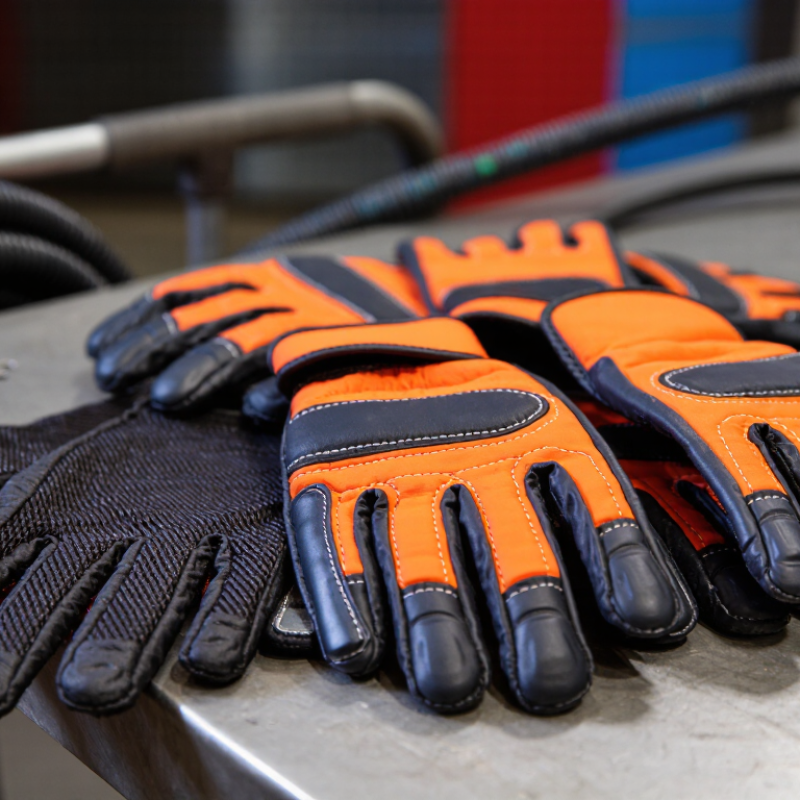
Bulk impact gloves are work gloves ordered in large quantities for construction, logistics, maintenance, and material handling. They combine a cut-resistant or abrasion-resistant palm with molded protection over the knuckles and fingers. That outer guard helps reduce injury from bumps, falling tools, and repeated contact with hard edges. In a warehouse, a worker may grip steel shelving, move cartons, and pull a pallet strap within minutes. The glove must protect without making those movements awkward. Fit matters. A thick glove can fail if workers remove it to handle small parts.

China is a major sourcing base because its factories support varied materials, stitching methods, coating systems, and order volumes. Buyers can compare nylon, polyester, aramid, synthetic leather, and nitrile-coated designs through one supply network. Many manufacturers also offer sample development, size grading, plain packaging, and production inspections. Experienced sourcing teams should request technical sheets, palm coating details, impact-test evidence, and batch samples before placing a large order. Check seam strength, finger mobility, odor, coating adhesion, and sizing consistency. A factory visit or independent inspection adds useful evidence. It is not a substitute for clear specifications.

Cost is attractive, but the lowest quotation can hide uneven quality, changing materials, or weak after-sales support. Ask how the supplier controls incoming fabric, molded guards, and final packing. Confirm applicable workplace requirements in the destination market. Product documents should match the delivered gloves. This sounds obvious. It is often missed. Buyers should also test gloves in realistic tasks, including wet grips and repeated flexing. One sample may look excellent, while later batches feel different. That possibility deserves attention, not optimism.

China Top 10 Bulk Impact Gloves Suppliers? What Are Bulk Impact Gloves and Why Source Them from China?

The chart compares the three ANSI/ISEA 138 impact-protection levels by their maximum permitted transmitted force. Lower values indicate better impact attenuation. Buyers sourcing bulk impact gloves should verify the test standard, sample performance, material specification, quality-control records, and production consistency before placing an order.

Reference framework: ANSI/ISEA 138 impact-protection classification. Thresholds shown are maximum transmitted-force values in kilonewtons (kN).

How to Evaluate China’s Top 10 Impact Glove Suppliers

Choosing China’s top ten bulk impact glove suppliers requires more than comparing online prices. Evaluate factory experience, material knowledge, testing discipline, and communication quality. Ask how each glove protects knuckles, palms, and fingers during repeated handling. Request technical sheets, production photos, and recent batch records. A polished website proves little.

Compare samples under realistic conditions, such as gripping oily tools, lifting cartons, and working for several hours. Check impact padding, stitching, coating grip, cuff strength, sizing, and heat comfort. Confirm that test reports identify the exact model and current materials. An experienced supplier should explain failures instead of hiding them. Still, one sample can mislead. Review factory audits, inspection procedures, minimum order quantities, lead times, and replacement policies. Clear records often reveal more than confident sales language.

Tips: Send identical questions to all ten suppliers. Score their replies for detail, speed, and evidence. Ask for a pre-shipment inspection before full production. Verify relevant safety standards with a qualified testing body, not only a supplier-provided certificate. My own evaluations can be imperfect, especially when samples receive extra attention. Repeat checks during production. Photograph carton labels, stitching, and random glove measurements. Small differences may expose inconsistent quality. Also discuss packaging, storage conditions, and traceability before ordering in bulk. Reliability is built through repeated proof, not promises.

Profiles of China’s Top 10 Bulk Impact Glove Suppliers

China Top 10 Bulk Impact Gloves Suppliers

Profiles of China’s Top 10 Bulk Impact Glove Suppliers

This profile reviews ten Chinese bulk impact glove suppliers through measurable purchasing factors. The group includes OEM factories, coated-glove specialists, cut-resistant producers, and export-focused manufacturers. Several offer molded TPR protection, reinforced palms, touchscreen fingertips, and custom packaging. Others focus on high-volume basic models. A ranking is never perfect. Factory audits can reveal differences hidden behind similar product photos.

The International Labour Organization estimates 2.78 million work-related deaths and about 374 million non-fatal injuries each year. These figures reinforce the need for tested hand protection. Buyers should check impact results under ANSI/ISEA 138 or EN 388 requirements. The strongest supplier profiles usually provide test reports, batch traceability, abrasion data, and stable sizing. Some factories also operate automated dipping lines, which can improve coating consistency. However, impressive capacity does not always mean better quality. Small sample checks remain essential.

Tips: Request three production samples before placing a bulk order. Test palm grip after oil exposure. Confirm TPR adhesion after repeated bending. Ask for carton dimensions and replacement terms. Review audit records, not only certificates. The best supplier may not offer the lowest quote. A slightly higher unit cost can reduce rejected cartons, sizing complaints, and delayed deliveries.人工计划

Comparing Quality, Certifications, Capacity, and Pricing

When comparing China’s top ten bulk impact glove suppliers, quality should be checked beyond photographs. Inspect the TPR guards, palm coating, stitching, and wrist closure. A reliable glove should absorb repeated knocks without restricting finger movement. Sample testing should include abrasion, tear, puncture, and impact performance. Small details matter.

Certifications help, but documents need verification. Ask for current EN 388 or ANSI/ISEA 105 test reports, depending on the target market. An ISO 9001 certificate can indicate controlled production, but it does not guarantee every shipment. Check factory audit records, batch inspection procedures, and traceability codes. Request samples from regular production, not specially prepared pieces.

Capacity also affects purchasing risk. Confirm monthly output, material availability, carton quantities, and realistic lead times during peak seasons. Some suppliers quote low prices but add costs for packaging, labels, molds, or urgent freight. Compare landed cost, not only the unit price. A slightly higher quote may reduce defects and replacement claims. However, higher pricing is not automatic proof of better protection. I would review at least three production batches before committing to a large order. My own judgment can still be wrong, especially when a supplier changes coating formulas or subcontractors without clear notice. Bulk buyers should record test results, delivery dates, defect rates, and final costs in one comparison sheet.

How to Choose and Order from the Right Supplier

China Top 10 Bulk Impact Gloves Suppliers?

A top-ten list is only a starting point. The cheapest quotation may hide thin padding, weak stitching, or inconsistent sizing. I usually request samples before discussing large-volume orders. Wear each sample while gripping tools, lifting cartons, and bending the fingers repeatedly. Check whether the impact guards stay centered over the knuckles. Small details matter.

Ask every supplier for technical specifications, material details, test reports, and production photographs. Confirm the glove size range, coating type, cuff design, packaging method, and expected service life. Reports should match the exact model, not a similar-looking sample. Verify applicable safety standards for your destination market through reliable documentation. A factory audit, video inspection, or independent quality check can reveal crowded storage areas and poor final inspection. These signs are easy to miss online.

Order a small trial batch with clear acceptance criteria. Define the allowed defect rate, color tolerance, logo placement, carton markings, and delivery schedule in writing. Keep one approved sample for comparison during production. I once underestimated packing space, and the final cartons cost more to store than expected. That mistake was avoidable. Request pre-shipment photos, random measurements, and an inspection report before releasing the balance. Payment terms deserve equal attention. A lower unit price is not useful when replacements arrive late or sizes vary across cartons.

Go to Top