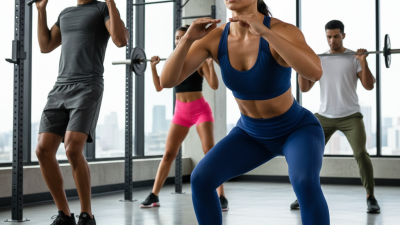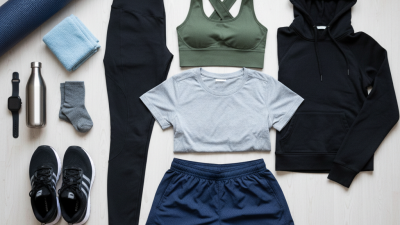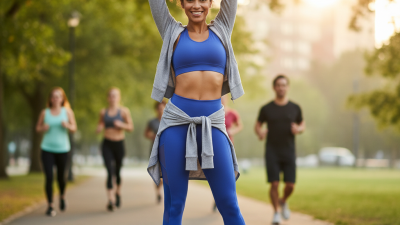

The 2026 gym clothes market will reflect changing workouts, climates, and buyer expectations. Global customers want performance, comfort, and clearer product information. They also expect clothing to fit real routines, not only polished studio images.
Bill Bowerman, Nike co-founder and a respected sportswear innovator, once said, “If you have a body, you are an athlete.” His idea still matters. Modern gym clothes should support beginners, competitive athletes, commuters, and older consumers alike. Stretch fabrics, breathable panels, softer waistbands, and secure pockets are becoming practical priorities. In warmer markets, quick-drying materials can improve daily comfort. In colder regions, layering and thermal recovery may influence purchasing decisions.
Sustainability will remain important, but vague claims will lose credibility. Buyers may examine recycled content, fabric durability, dye processes, and supplier documentation. They may also test shrinkage after repeated washing. Small details matter. A loose drawcord can weaken a product’s appeal. A rough inner seam can ruin an otherwise attractive design.
The leading 2026 trends may include versatile training sets, minimalist colors, adaptable silhouettes, and lower-impact materials. However, no forecast is perfect. A style popular in Europe may feel unsuitable in Southeast Asia. A fashionable fabric may perform poorly during intense training. That uncertainty deserves attention.
This guide explores the gym clothes trends most relevant to global buyers. It considers design, function, sourcing, inclusivity, and long-term value. The goal is not to chase every trend. It is to identify products that can perform convincingly beyond the showroom.
2026 Top Gym Clothes Trends for Global Buyers
What Defines the 2026 Global Gym Clothes Market
The 2026 gym clothes market is shaped by performance, comfort, and regional practicality. Grand View Research valued the global activewear market at about 412.3 billion dollars in 2023. It also projects a 9.9% compound annual growth rate from 2024 to 2030. This growth reflects wider fitness participation and everyday activewear use. Buyers now expect breathable fabrics, four-way stretch, quick drying, and reliable recovery after washing. Climate also matters. Lightweight mesh suits humid cities, while brushed layers serve colder markets. Inclusive sizing is becoming a purchasing requirement, not a special feature.
Sustainability is influencing sourcing decisions, although progress remains uneven. Textile Exchange reported global fiber production reached 124 million tonnes in 2023. Production could reach 160 million tonnes by 2030. Recycled inputs, lower-impact dyeing, and longer garment life are gaining attention. Yet recycled content alone does not prove a better product. Durability, repairability, and verified material claims need closer inspection. The market still rewards low prices too heavily. That contradiction may define 2026 more than any single fashion trend.
Tips: Global buyers should request fabric tests, shrinkage data, colorfastness results, and size charts before ordering. Compare performance after repeated washing. Ask suppliers for clear fiber certificates and production lead times. A small trial order can reveal problems that product photos hide. Avoid choosing solely by appearance. Fitness users notice seams, waistbands, and fabric odor quickly.
2026 Top Gym Clothes Trends for Global Buyers
Performance fabrics are becoming lighter, softer, and more targeted. Recycled polyester remains useful for quick-drying tops and training shorts. Nylon blends offer a smooth hand feel and strong abrasion resistance. Elastane still supports stretch, but excessive compression can reduce comfort during long sessions. Moisture management depends on fabric structure, not fiber names alone. Buyers should request test results for drying speed, colorfastness, pilling, and repeated washing.
Smart textile development is moving beyond novelty. Conductive yarns can support heart-rate or movement sensing when properly integrated. Phase-change materials may help manage temperature during changing workout intensity. Some fabrics use printed sensors, but sweat, bending, and laundering can weaken performance. No fabric solves every problem. That matters. A prototype may feel impressive, yet production consistency can remain difficult. Independent laboratory testing and clear care instructions improve purchasing confidence.
Tips: Ask for fabric weight, fiber percentages, stretch recovery, and wash-cycle data. Check whether smart components remain removable or washable. Compare samples after several washes, not only on the first fitting. Regional climates also matter; a dense fabric may suit cool studios but feel heavy in humid outdoor training. Choose practical features over impressive claims.
Global gym clothing in 2026 is becoming more training-specific. Shoppers want comfort, movement, and dependable performance. A single outfit rarely serves every workout well.
For strength training, choose squat-proof leggings, flexible shorts, and supportive tops. Durable stretch fabric helps during lunges, deadlifts, and repeated floor contact. Flat seams can reduce irritation under lifting belts. For running, lightweight layers matter more. Ventilated panels, reflective details, and quick-drying fabric support longer outdoor sessions. In humid regions, loose cuts may improve airflow. Cold-weather buyers often need a thin base layer, not a bulky jacket.
HIIT clothing should balance secure fit and freedom of movement. Waistbands must stay stable during jumps and fast transitions. Yoga and mobility styles need softer fabric, gentle compression, and fewer rigid seams. Outdoor training also requires practical pockets and weather-aware layering. Check fabric recovery after washing. It reveals quality better than a showroom feel.
I have seen buyers choose compression that was too tight. More pressure does not always mean better support. Sizing remains a weak point across international markets, especially when charts use different body measurements. Buyers should compare garment measurements, not only labels. Test samples through deep squats, arm raises, and brisk movement before larger orders. No garment performs perfectly in every climate, body shape, or training space.
A practical overview of widely requested gym clothing directions for 2026, organized by training purpose, performance requirements, climate, and buyer priorities.
| Training Need | Popular 2026 Clothing Style | Recommended Fabric Structure | Key Performance Features | Preferred Fit | Climate and Market Relevance | Indicative Retail Price Range |
|---|---|---|---|---|---|---|
| Strength Training and Weightlifting |
Structured Performance Basics Tapered training joggers, sleeveless tops, fitted T-shirts, and supportive medium-compression shorts. |
Polyester or nylon blended with elastane; medium-weight, four-way stretch construction. | Abrasion resistance, squat opacity, secure pockets, reinforced seams, sweat management, and unrestricted hip movement. | Athletic fit with room through the shoulders, hips, and thighs. | Strong demand in North America, Europe, the Middle East, and urban Asian fitness markets; suitable for indoor gyms and mild outdoor conditions. | US$25–65 per item |
| High-Intensity Interval Training |
Lightweight Training Sets Matching crop tops and shorts, breathable tanks, lightweight tees, and flexible performance leggings. |
Lightweight polyester, recycled polyester, or nylon with elastane; mesh panels for ventilation. | Fast drying, moisture wicking, four-way stretch, low-friction seams, and secure waistband construction. | Close but non-restrictive fit that stays in place during jumping, sprinting, and floor exercises. | Especially relevant for warm and humid regions, including Southeast Asia, Latin America, Southern Europe, and coastal markets. | US$20–55 per item |
| Running and Treadmill Workouts |
Minimalist Running Layers Split shorts, lightweight running tops, fitted tights, running bras, and packable wind-resistant layers. |
Lightweight woven polyester or nylon with elastane; breathable mesh and reflective trims. | Low weight, quick drying, reduced chafing, reflective visibility, odor-control treatment, and phone storage. | Streamlined fit with minimal excess fabric and a stable waistband. | Suitable for global running communities, with lighter options for warm climates and layering pieces for cooler cities. | US$22–70 per item |
| Yoga, Pilates, and Barre |
Soft Sculpt and Studio Wear High-rise leggings, flared studio pants, longline bras, fitted tanks, and coordinated two-piece sets. |
Nylon-elastane or polyester-elastane jersey with a soft hand feel and reliable recovery. | Four-way stretch, non-sheer coverage, flat seams, gentle compression, and a waistband that remains secure during bending. | Second-skin fit with moderate compression and smooth, body-contouring construction. | Broad international appeal across studio, wellness, travel, and casual athleisure wardrobes. | US$25–75 per item |
| Cycling and Indoor Spinning |
Ergonomic Cycling Essentials Padded cycling shorts, fitted jerseys, supportive tops, lightweight gilets, and sweat-resistant socks. |
Stretch polyester or nylon with elastane; high-density panels and breathable mesh zones. | Chafe reduction, moisture control, ergonomic paneling, stable leg grippers, back pockets, and UV protection for outdoor use. | Close aerodynamic fit without excessive restriction around the waist and shoulders. | Relevant for cycling-focused European markets, growing indoor cycling markets, and warm-weather outdoor activities worldwide. | US$30–90 per item |
| Outdoor Training and Hiking Fitness |
All-Weather Utility Layers Technical cargo joggers, lightweight overshirts, quick-dry T-shirts, stretch shorts, and packable outer layers. |
Durable nylon or polyester blends with elastane; optional water-resistant or wind-resistant outer fabrics. | Weather adaptability, abrasion resistance, multiple pockets, quick drying, UV protection, and easy layering. | Relaxed athletic fit that allows layering and full leg movement. | Useful across temperate, tropical, and high-altitude markets where consumers combine gym, travel, and outdoor activities. | US$30–100 per item |
| Combat Sports and Functional Training |
Durable Mobility Gear Compression shorts, flexible training shorts, fitted rash guards, sleeveless tops, and lightweight warm-up jackets. |
High-stretch nylon or polyester with elastane; reinforced flatlock construction. | Tear resistance, rapid drying, secure fit, unrestricted rotation, low-profile seams, and odor management. | Close fit for base layers and relaxed fit for outer shorts and warm-up garments. | Suitable for boxing, martial arts, circuit training, and functional fitness facilities in diverse global markets. | US$25–80 per item |
| Inclusive and Adaptive Fitness |
Accessible Performance Apparel Extended-size leggings, easy-on joggers, adjustable-waist shorts, longer-length tops, and seated-activewear options. |
Soft stretch jersey, breathable polyester blends, and low-irritation fabric constructions. | Inclusive size grading, adjustable openings, flat seams, discreet support, easy dressing, and durable color retention. | Choice of relaxed, regular, and supportive fits with clear measurement guidance. | Increasingly important for global buyers seeking broader size ranges and practical clothing for different mobility needs. | US$25–85 per item |
| Hot-Climate and Humid-Gym Training |
Ultra-Breathable Basics Mesh-back tanks, ventilated shorts, lightweight tees, open-back tops, and sweat-wicking headwear. |
Lightweight polyester or nylon mesh with elastane; moisture-spreading finishes. | High airflow, rapid evaporation, lightweight construction, anti-chafe details, and colorfastness under frequent washing. | Relaxed or semi-fitted shape with ventilation zones and minimal layering. | Particularly suitable for tropical and subtropical markets, including South Asia, Southeast Asia, Africa, and Latin America. | US$15–50 per item |
| Cold-Climate Training and Seasonal Sports |
Thermal Layering Systems Brushed base layers, thermal leggings, fleece-lined joggers, quarter-zips, and lightweight insulated vests. |
Brushed polyester, merino-blend alternatives, stretch fleece, and wind-resistant woven layers. | Thermal regulation, moisture transfer, stretch recovery, low-bulk layering, and wind protection. | Close base-layer fit with roomier mid-layers for comfortable layering. | Relevant for Northern Europe, Canada, Northern Asia, mountain regions, and winter outdoor training programs. | US$30–110 per item |
| Travel, Recovery, and Athleisure |
Gym-to-Street Comfort Coordinated sweatshirt sets, wide-leg performance pants, relaxed technical tees, and versatile lightweight jackets. |
Cotton-polyester blends, smooth technical jersey, recycled synthetic blends, and soft stretch fleece. | Comfort, wrinkle resistance, easy care, odor control, flexible styling, and durable shape retention. | Relaxed or contemporary oversized fit with adjustable hems and waistbands. | Globally relevant as consumers increasingly combine exercise, commuting, travel, and casual social activities. | US$25–90 per item |
In 2026, global gymwear buyers are looking beyond stretch, color, and quick-dry performance. Sustainable materials are becoming a purchasing requirement. Recycled polyester can reduce reliance on new petroleum-based fibers. Organic cotton offers a softer option for low-impact training pieces. However, neither choice is automatically sustainable. Recycled synthetics may still release microfibers during washing. Organic cotton can require significant water, depending on its growing region.
Material evidence matters. Buyers should request fiber percentages, supply-chain records, and recognized certification documents. A small QR code can connect a garment to its yarn source, dye house, and factory. Useful records include production dates, testing results, and repair guidance. Vague claims such as “eco fabric” need careful questioning. They sound attractive but prove little.
Ethical production must cover more than a clean-looking facility. Responsible suppliers should document safe buildings, reasonable working hours, protective equipment, and fair payment practices. Independent audits can help, yet an audit is only a snapshot. Workers may still hesitate to report problems. Regular follow-up interviews and grievance channels provide stronger evidence. Some suppliers will not have perfect systems in 2026. That is not automatically a failure. Hiding weaknesses is the larger concern. Global buyers should compare progress, traceability, durability, and worker protections before placing large orders. A durable pair of leggings that survives repeated washing may create less waste than a “green” item that quickly loses shape.
For 2026, global buyers are watching cooling knits, soft compression, modular layers, and lower-impact fabrics. Yet product appeal should not replace supplier verification. Textile Exchange’s Materials Market Report 2024 recorded 124 million tonnes of global fiber production in 2023. It projects production could reach 160 million tonnes by 2030. This makes material traceability a commercial issue, not just a sustainability claim.
Ask suppliers for fiber composition, fabric weight, colorfastness, pilling, seam-strength, and shrinkage results. Request laboratory reports with test methods and dates. Then wash the sample three times. Check the waistband, odor, print cracking, and recovery after stretching. Small details matter.
A supplier may offer recycled yarn, but the percentage and certification scope still need verification. I have seen attractive samples fail after repeated washing. That mistake is expensive.
Compare minimum order quantities, lead times, production capacity, and communication speed. McKinsey and The Business of Fashion’s State of Fashion 2025 described fashion growth as modest, increasing pressure on inventory accuracy and purchasing discipline. Buyers should therefore negotiate flexible order stages instead of accepting large initial commitments. Evaluate factory records, worker-safety documentation, and quality-control procedures through independent audits where practical. Keep a written scorecard, but leave room for judgment. Data helps; it does not replace a factory visit or a brutally honest sample review.