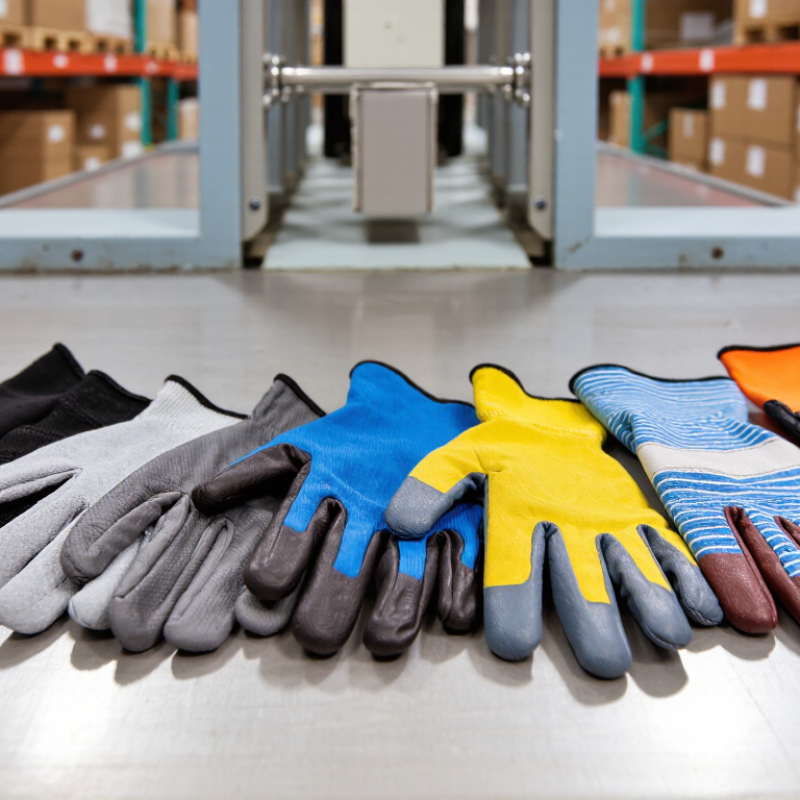
What Are the Top 10 Safety Work Gloves for Global Buyers?

Choosing the right Safety Work Gloves can feel simple until a worker faces oil, sharp sheet metal, cold storage, or constant vibration.

Global buyers need more than attractive product photos. They need dependable protection, consistent sizing, traceable materials, and clear performance information. A glove that performs well in a dry warehouse may fail quickly on wet steel. Another may protect against abrasion but reduce finger movement during assembly.

This guide introduces ten leading Safety Work Gloves for different industrial tasks and purchasing conditions. Each option is considered through protection level, grip, comfort, durability, breathability, sizing, and supply reliability. Relevant testing information, such as EN 388 or ANSI/ISEA 105 ratings, can support a better comparison. However, certifications should be checked against the exact model, not assumed from a supplier’s general catalog.

Small details matter. Look for reinforced fingertips, secure cuffs, clean stitching, and packaging that survives long-distance shipping. Ask whether the coating remains flexible after repeated washing. Confirm whether replacement stock is available before placing a large order.

Price still matters. It is not everything.

A low-cost glove may create higher expenses through frequent replacement, poor productivity, or rejected shipments. At the same time, the most expensive model is not automatically the safest choice. Workplace risks, climate, task duration, and worker feedback must shape the decision.

Some rankings remain imperfect because glove performance changes across users and environments. Treat this list as a practical buying framework, then verify samples under real working conditions before committing to global procurement.

What Are the Top 10 Safety Work Gloves for Global Buyers?

What Makes a Safety Work Glove Suitable for Global Buyers?

A safety work glove suitable for global buyers must match the task, worker, and market. It should not be selected by appearance alone. The International Labour Organization reported nearly three million work-related deaths annually, plus about 395 million non-fatal injuries. Hand protection cannot prevent every incident, but correct selection can reduce exposure to cuts, abrasion, punctures, heat, and chemicals.

Experienced procurement teams check test methods before comparing ratings. ISO 21420 covers general glove requirements, while EN 388, ANSI/ISEA 105, and AS/NZS 2161 address different regional expectations. These systems are not identical. A high cut-resistance level in one market may not translate directly to another. Ask for current laboratory reports, batch traceability, material declarations, and performance results after washing.

Fit also matters. A loose glove can catch on equipment; a tight glove reduces dexterity. Humid warehouses, cold loading docks, and oily assembly lines require different grip and lining choices.

Tips: Test samples with real workers. Check sizing across several hand shapes. Review packaging instructions in local languages. Confirm repeat orders match the original sample. Do not trust one impressive rating. Supplier consistency is often the weak point, and buyers should question it. A glove may pass a laboratory test yet feel uncomfortable after four hours. That practical gap deserves honest review.

How to Compare the Top 10 Safety Work Glove Types

What Are the Top 10 Safety Work Gloves for Global Buyers?

How to Compare the Top 10 Safety Work Glove Types

Global buyers should compare gloves by workplace risk, not appearance or price alone. The ten common types include coated knit, nitrile-coated, latex-coated, leather, cut-resistant, puncture-resistant, impact-resistant, chemical-resistant, welding, and electrical-insulating gloves. Each type solves a different problem. Cut-resistant gloves suit sharp sheet metal, while impact gloves protect knuckles during material handling. Chemical-resistant gloves require careful checking of permeation data, thickness, and cuff length. Electrical-insulating gloves need verified testing and suitable maintenance records.

Comfort matters during long shifts. Check finger movement, grip texture, seam quality, and sweat control. A thick glove may resist abrasion well but reduce tool control. A thin glove may feel precise but wear out quickly. Compare test results, sizing systems, packaging details, and traceability documents. Standards vary between markets, so buyers should confirm current certification requirements with qualified local specialists. Practical trials often reveal problems hidden in product sheets.

Tips: Test gloves with real tools. Check grip on dry and oily surfaces. Inspect the cuff after repeated movement. Ask for batch-level documentation. Replace damaged gloves immediately.

Do not judge protection from material names alone. Two gloves with similar coatings can perform differently. One comparison point I still question is advertised durability, because working speed, cleaning habits, and storage conditions change results. A reliable supplier should explain limitations clearly, not promise universal protection. Small field tests can prevent expensive mistakes.

Top 10 Safety Work Gloves by Protection, Material, and Use

Selecting the top 10 safety work gloves depends on protection, material, and use. The U.S. Bureau of Labor Statistics reported about 2.6 million nonfatal workplace injuries and illnesses in private industry in 2023. Hand protection remains a practical purchasing priority, but comfort is often underestimated. The strongest options include nitrile-coated HPPE gloves for cut risks, aramid gloves for heat, leather gloves for general handling, TPR impact gloves for construction, and anti-vibration gloves for power-tool work. These choices balance grip, durability, and daily wear.

For chemical tasks, nitrile, neoprene, PVC, and butyl gloves offer different resistance levels; no single material suits every liquid. Disposable nitrile gloves work well for light contamination, but they are not a universal chemical barrier. Electrically insulating rubber gloves require controlled testing and correct voltage classes. Padded synthetic gloves can reduce vibration discomfort, though their protection claims need careful verification. EN 388 helps buyers compare mechanical risks, while EN 374 and EN 407 address chemical and thermal performance. ASTM and ISO requirements may differ by market.

Check the actual test results.

A glove can meet a standard yet fit poorly, tear at the cuff, or reduce dexterity. Buyers should review coating thickness, seam quality, abrasion cycles, temperature limits, and laundering instructions. I would also question supplier claims based only on attractive certificates. Field trials with workers often reveal more than a product sheet. Better protection sometimes means less comfort, and that trade-off should be measured, not assumed.

Key Standards, Certifications, and Sourcing Factors

What Are the Top 10 Safety Work Gloves for Global Buyers?

For global buyers, the top ten glove choices include cut-resistant, chemical-resistant, heat-resistant, impact-resistant, abrasion-resistant, puncture-resistant, electrical-insulating, disposable, coated handling, and cold-weather gloves. Each type serves a different hazard. A thick glove is not automatically safer. Fit, dexterity, grip, and task exposure must guide selection.

Check ISO 21420 for general glove requirements, including design, sizing, and harmlessness. EN 388 helps assess mechanical risks such as abrasion, cuts, tears, and punctures. EN 407 covers heat performance, while EN ISO 374 addresses chemical protection. Electrical-insulating gloves require separate testing and controlled use. In North American markets, ANSI/ISEA 105 may support performance comparisons. CE or UKCA marking can indicate conformity, but buyers should verify the declaration and test report scope.

Sourcing decisions need practical evidence. Request current certificates, laboratory reports, material details, and batch traceability. Compare samples after washing, flexing, and repeated handling. Check whether grip changes with oil, water, or dust. Factory audits, quality plans, sizing consistency, and transparent lead times also matter. A polished certificate scan is not enough. I have seen documents with unclear models or expired dates. That deserves a pause. Buyers should also define acceptable defect limits, packaging requirements, and replacement procedures before placing large orders.

What Are the Top 10 Safety Work Gloves for Global Buyers? - Key Standards, Certifications, and Sourcing Factors

Rank Glove Type Best-Fit Applications Typical Construction Key Performance Targets Relevant Standards Important Sourcing Factors Main Limitations
1 Nitrile-Coated General Handling Gloves Warehousing, assembly, logistics, packaging, and light maintenance Knitted nylon or polyester liner with smooth, foam, or micro-foam nitrile coating Good dexterity, dry-grip performance, abrasion level 3–4 under EN 388, ANSI/ISEA abrasion level 4–6 EN ISO 21420; EN 388:2016+A1:2018; ANSI/ISEA 105 Coating consistency, palm thickness, cuff construction, size grading, carton quantity, and colorfastness Limited protection against heavy impact, high heat, and strong chemicals; nitrile coatings can lose grip in oily conditions depending on formulation
2 High-Cut-Resistance Knitted Gloves Sheet-metal handling, glass processing, automotive components, and fabrication High-performance polyethylene, aramid, engineered yarn, or blended liner with nitrile or polyurethane palm coating EN 388 cut level C–F or ANSI/ISEA A3–A6; abrasion level 3–4; optional puncture level 3–4 EN ISO 21420; EN 388:2016+A1:2018; ANSI/ISEA 105 Require batch test reports, yarn traceability, coating adhesion, cuff durability, and a clearly stated test method Cut resistance does not automatically provide puncture, needle-stick, impact, or heat protection
3 Impact-Protection Coated Gloves Oil and gas maintenance, construction, mining, utilities, and material handling Knitted or synthetic-leather glove with thermoplastic-rubber impact guards on the back of the hand and fingers EN 388 impact rating P when applicable; ANSI/ISEA 138 impact level 1–3; abrasion level 3–4 EN ISO 21420; EN 388:2016+A1:2018; ANSI/ISEA 138; ANSI/ISEA 105 Guard coverage, impact-test documentation, finger mobility, oil resistance, stitching, and compatibility with tools Back-of-hand impact guards do not protect the palm from crushing or sharp-edge hazards
4 Chemical-Resistant Nitrile Gloves Industrial cleaning, laboratory work, chemical processing, and maintenance Single-use or reusable nitrile film, generally 0.10–0.25 mm for disposable designs and thicker for reusable designs Chemical permeation resistance must be verified for the specific chemical, concentration, temperature, and exposure time EN ISO 374-1; EN ISO 374-5 where microorganism protection is required; ASTM F739 for permeation testing; EN ISO 21420 Request permeation and degradation data, thickness tolerance, pinhole testing, cuff length, and chemical-specific compatibility charts No glove protects against every chemical; breakthrough times vary significantly by substance and operating conditions
5 Leather Driver and Rigger Gloves Material handling, rigging, farming, construction, and outdoor equipment operation Split or grain leather with reinforced palm, keystone thumb, elastic wrist, and optional safety cuff Strong abrasion and tear resistance, practical puncture resistance, and moderate thermal protection depending on leather type EN ISO 21420; EN 388:2016+A1:2018; ANSI/ISEA 105; EN 407 for tested thermal performance Leather thickness, moisture conditioning, color transfer, seam strength, ethical sourcing, and consistent sizing Performance can decline when wet; leather is not suitable for chemical handling or energized electrical work
6 Heat- and Welding-Resistant Gloves Welding, foundry operations, metal fabrication, furnace work, and hot-part handling Wool-lined leather, aramid-lined leather, or heat-resistant synthetic construction with extended cuff EN 407 performance should be selected for contact, convective, radiant, and molten-metal hazards; typical contact ratings range from 100–500°C depending on design and test time EN ISO 21420; EN 407; EN 388; EN 12477 for protective gloves for welders Cuff length, lining retention, seam protection, dexterity, flame behavior, and test data for the actual welding process Thermal ratings are test-specific and do not represent unlimited safe contact time or protection from all molten metals
7 Cold-Weather Insulated Gloves Cold storage, winter construction, refrigerated transport, utilities, and outdoor logistics Knitted or synthetic outer shell with fleece, foam, wool, or waterproof breathable insulation EN 511 ratings for convective cold, contact cold, and water permeability; grip should remain functional at low temperatures EN ISO 21420; EN 511; EN 388 where mechanical protection is also required Insulation thickness, moisture management, cuff seal, dexterity, wash durability, and performance after repeated flexing Thicker insulation reduces dexterity; cold protection varies with activity level, wind, moisture, and exposure duration
8 Electrical-Insulating Rubber Gloves Electrical installation, utility maintenance, switchgear work, and energized systems Seamless insulating rubber glove, commonly worn with a leather protector glove Voltage class must match the task; ASTM D120 classes include 00 up to 500 V AC and Class 0 up to 1,000 V AC, subject to applicable requirements ASTM D120; IEC 60903; applicable national electrical-safety regulations Proof-test interval, traceability, storage conditions, ozone resistance, visual inspection, and certification of each production lot Must not be substituted with ordinary coated gloves; damage, contamination, aging, and improper storage can compromise insulation
9 Disposable Examination and Clean-Process Gloves Healthcare support, food processing, janitorial work, inspection, and contamination-sensitive assembly Powder-free nitrile, latex, or vinyl film with beaded cuff; nitrile is commonly selected where puncture and chemical resistance are needed Low pinhole rate, consistent thickness, ambidextrous fit, tactile sensitivity, and suitable food or medical status where required EN 455 for medical examination gloves where applicable; EN ISO 374-5 for microorganism protection; ASTM D6319 for nitrile examination gloves; applicable food-contact regulations Powder-free specification, AQL claim and test method, packaging integrity, lot traceability, allergen controls, and regulatory documentation Not designed for heavy mechanical, high-temperature, or prolonged chemical exposure; latex may cause allergic reactions
10 Puncture-Resistant and Needle-Handling Gloves Waste sorting, recycling, meat processing, horticulture, and applications involving sharp pointed objects Dense aramid, engineered yarn, metal-composite liner, or layered laminate with a protective coating EN 388 puncture level 3–4 for tested probe resistance; needle-stick performance requires a dedicated test method and should not be inferred from EN 388 EN ISO 21420; EN 388:2016+A1:2018; ANSI/ISEA 105; ASTM F2878 where hypodermic-needle puncture resistance is required Specify the hazard geometry, test probe, cut direction, coating grip, laundering durability, and independent laboratory verification No glove provides absolute needle-stick protection; sharp objects can penetrate between fibers, seams, or uncovered areas
Buyer’s verification note: Performance levels shown above are practical specification targets or representative ranges, not guaranteed ratings for every glove in a category. Before purchase, request the product technical data sheet, applicable conformity documents, laboratory test reports, batch traceability, material declarations, size samples, and inspection records. Select protection according to the actual hazard assessment and the destination market’s legal requirements.

How to Select the Right Safety Gloves for Different Industries

Selecting the right safety glove begins with the hazard, not the product name. In manufacturing, cut-resistant gloves suit sheet metal and glass handling. Mechanics often need oil-resistant palms with secure grip. Construction workers may require impact protection, while laboratories need chemical-resistant materials tested against specific substances. The U.S. Bureau of Labor Statistics recorded about 2.6 million nonfatal workplace injuries in private industry during 2023. This figure is not glove-specific, but it shows why hazard assessment matters.

Check recognized performance standards before comparing the top ten options. EN 388 evaluates abrasion, cut, tear, and puncture resistance. ANSI/ISEA 105 provides useful ratings for cut and puncture protection. For chemical work, ISO 374 test data should match the exact chemical and exposure time. A thick glove may protect well but reduce finger control. That trade-off is easy to underestimate. Real workers should test grip, sweat control, and dexterity during a normal shift.

Tips: Match the glove to one clear risk. Confirm sizing with hand measurements. Inspect seams, coatings, and packaging details. Replace gloves after cuts, swelling, or chemical contact. The UK Health and Safety Executive reported 561,000 self-reported workplace injuries in 2022/23, reminding buyers that training and replacement routines matter too. A certified glove can still fail when it fits poorly. Selection should include worker feedback, because laboratory ratings cannot fully predict every production task.

Go to Top