Top Tips for Choosing the Perfect Swimming Suit for Comfort
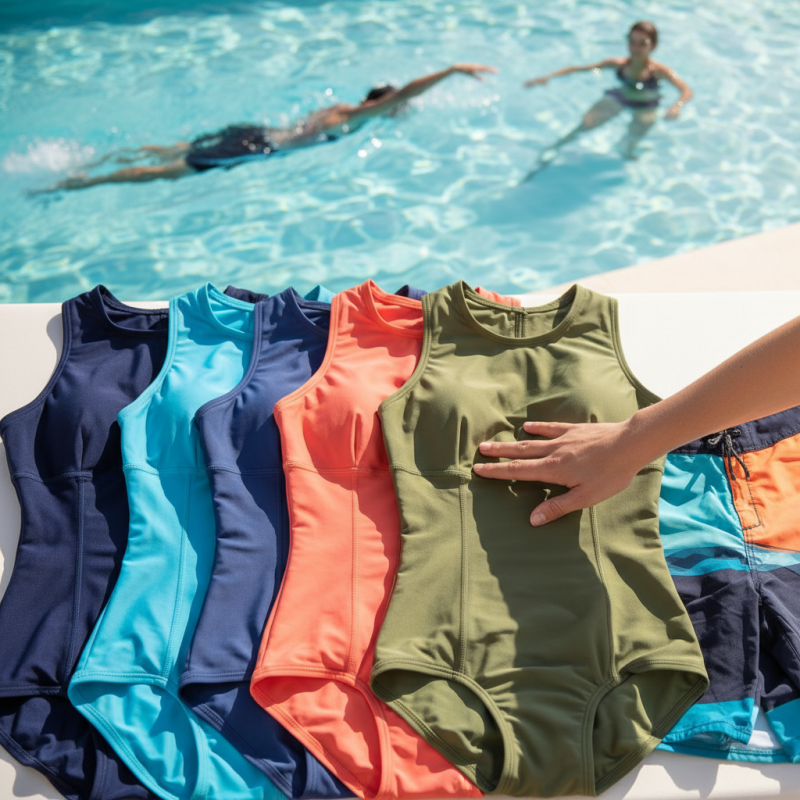
Choosing the right swimming suit is more than just a fashion statement. It impacts your comfort and performance in the water. A well-fitted swimming suit can enhance your swimming experience. It should support your movements and fit snugly without being restrictive.
Many factors influence your choice of a swimming suit. Consider the material, style, and your body type. Materials like Lycra offer flexibility, while polyester is durable. The design can boost confidence, but personal comfort remains key. Try different options to see what feels right.
Reflect on past choices that didn't work out. Did a suit chafe or make you feel self-conscious? Learning from those experiences can guide your next decision. Ultimately, a perfect swimming suit meets your unique needs and preferences while ensuring you feel great in the water.
Understanding Your Body Type for the Right Swim Suit Fit
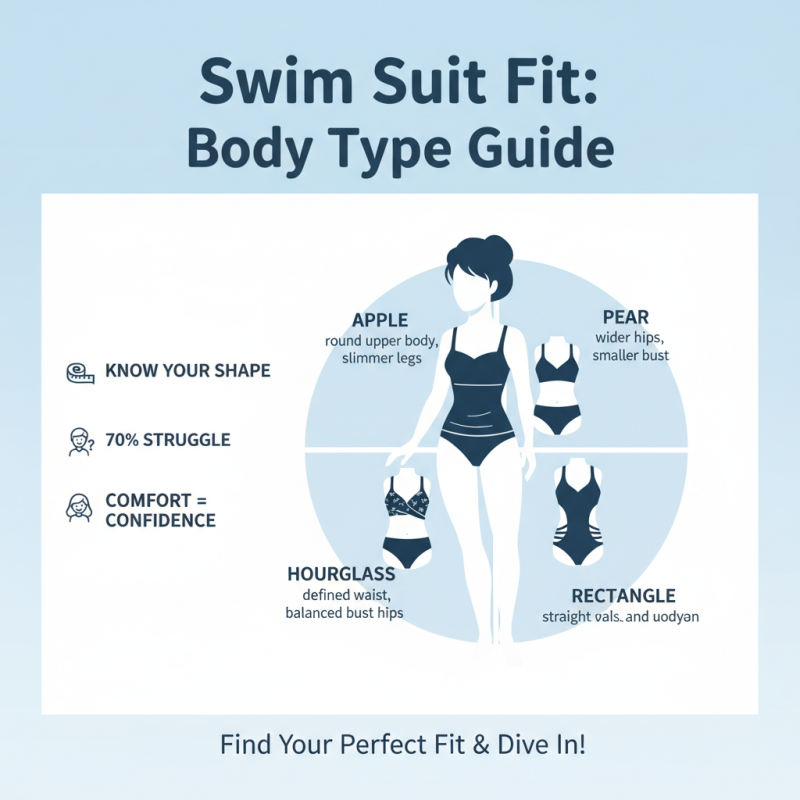
Choosing the right swim suit begins with understanding your body type. Research shows that around 70% of women struggle to find suits that fit perfectly. This can lead to discomfort when swimming or lounging by the pool. Assessing your individual shape is essential.
For example, pear-shaped individuals often benefit from suits with added support on top. This creates balance and enhances comfort. Conversely, those with a rectangular body type might prefer detailing that adds curves. Accurate fitting not only enhances appearance but boosts confidence in the water.
The importance of material cannot be overlooked. Nylon and spandex blends are popular for their stretch and resilience. However, not every fabric supports every body type equally. Some materials may dig into your skin or provide inadequate coverage. A poor fit can compromise your swimming experience.
Choosing the Appropriate Fabric for Comfort and Performance
Choosing the right fabric for your swimming suit is vital for both comfort and performance. The selection can significantly impact your swimming experience. Popular options include polyester, spandex, and nylon. Each fabric has its unique properties that can enhance or detract from your swim.
Polyester is known for its durability. It resists fading and offers a snug fit. However, it may feel less stretchy compared to spandex. Spandex provides excellent elasticity, allowing for a comfortable range of motion. Yet, it may not hold its shape as well over time. Nylon is soft and lightweight, providing a luxurious feel in the water. But, it can absorb water, making it heavier when wet.
Consider the temperature of the water you swim in. Some fabrics feel cooler, while others can cling uncomfortably when wet. Think about your swimming habits too. Will you be doing laps or lounging by the pool? You might find you chose the wrong suit after a long swim. Reflecting on your options can lead to a more enjoyable experience. Each fabric type has its strengths and weaknesses, making thoughtful consideration essential.
Selecting the Ideal Style: One-Piece vs. Two-Piece Options
Choosing the right swimming suit is essential for comfort. The two main styles are one-piece and two-piece. One-piece suits offer more coverage and support, ideal for active swimmers. Their design ensures a snug fit, reducing water resistance during strokes.
On the other hand, two-piece suits provide flexibility and freedom of movement, perfect for sunbathing or casual swims.
When selecting a suit, consider your body type and preferences. One-pieces can flatter various shapes, while two-pieces highlight curves. It's worth noting that comfort varies by individual. A suit that feels great on one person may not suit another. Always try on different styles before making a decision.
Tips for a better fit include checking the fabric and cut. Look for suits with elastic materials that move with you. Ensure the straps are adjustable for personalized comfort. Check for any pinching or slipping as you move. While patterns and colors can be exciting, keep in mind that darker shades often provide a slimming effect. Evaluate how each option feels during wear.
Evaluating Support Features for Different Activities
Choosing the right swimming suit can greatly enhance your comfort in the water. Key support features are crucial for different activities. If you're diving or swimming laps, a suit with a snug fit helps minimize drag. Look for suits with structured support, like wider straps and reinforced seams. These features keep the suit in place, allowing you to focus on your performance.
When engaging in leisure swimming, comfort is paramount. Select a suit with softer materials that offer flexibility. Adjustable straps can personalize fit, providing support without constriction. Don't underestimate the importance of a suit that feels good. It can affect how long you stay in the water and your overall enjoyment.
Consider the activities you’ll participate in. A suit meant for competition works differently than one for sunbathing. It's easy to overlook your specific needs. Sometimes, a suit that looks good doesn’t feel right during a rigorous swim. Testing different styles may reveal which suits give you the best balance of comfort and support. Remember, the right swimming suit can make a world of difference in your aquatic experience.
Considering Size, Adjustability, and Personal Preference Factors
Choosing the right swimming suit is essential for comfort and performance. Size is a critical factor. A report from the Journal of Sport Sciences indicates that improper sizing can lead to discomfort and poor athletic performance. Swimmers should measure their bust, waist, and hips. This allows for a more accurate fit. If the suit is too tight, it can restrict movement. Conversely, an overly loose suit may lead to drag in the water.
Adjustability plays a key role in comfort. Many modern swimsuits come with adjustable straps or closures. This feature allows swimmers to customize the fit according to their body shape. According to research from the International Journal of Aquatic Research, suits with adjustable elements can improve overall satisfaction by up to 30%. While these options may come at a premium, the comfort gained is often worth the investment.
Personal preferences vary widely. Some swimmers prefer a sleek and minimalist design, while others may look for added support and coverage. A survey noted that 65% of swimmers feel more confident in suits that match their style. However, striking a balance between style and function is crucial. An aesthetically pleasing suit may not perform well if it isn’t comfortable in the water.
Top Tips for Choosing the Perfect Swimming Suit for Comfort