
Buying gym clothes wholesale can reduce costs and support a consistent retail collection. However, low prices alone do not guarantee reliable products or healthy profit margins. Fabric quality, sizing accuracy, supplier communication, and delivery performance matter just as much.
This guide, “10 Tips for Buying Gym Clothes Wholesale,” explains practical decisions that affect wholesale purchasing. It covers supplier research, product samples, minimum order quantities, fabric testing, and clear size charts. A dependable supplier should provide accurate specifications and respond clearly to questions. Ask about fabric composition, stitching strength, colorfastness, packaging, and production timelines. Small details matter. A loose seam can damage customer trust.
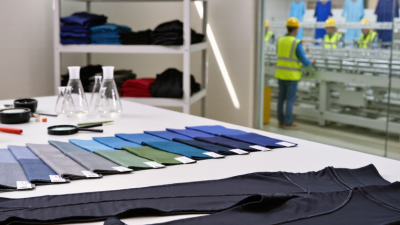
Request samples before placing a large order. Examine leggings under bright light and stretch sports bras several times. Check whether the fabric becomes transparent or loses shape. Wash each sample according to its care label. One test is not enough, but it can reveal avoidable problems. Compare several suppliers, not only their quotations. Reviews, business history, certifications, and sample consistency can offer useful evidence. Still, no checklist is perfect. Even experienced buyers miss details when deadlines become tight.
A realistic budget should include shipping, packaging, inspection, taxes, and possible defective items. Leave room for unexpected costs. The cheapest quote may become expensive after quality issues appear. Ethical sourcing also deserves attention. Confirm that suppliers follow acceptable workplace and product-safety standards. Build written agreements for quantities, colors, sizes, payment stages, and return procedures. With careful research and honest evaluation, wholesale gym clothes can become a dependable part of a long-term apparel business.
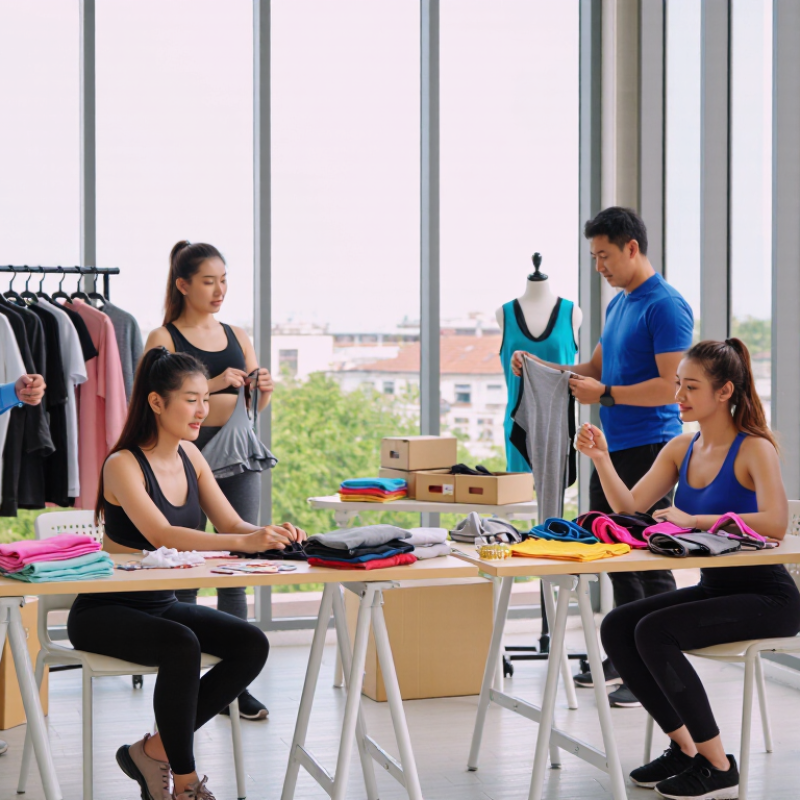
Before placing a wholesale order, define exactly who will wear the clothing. A boutique serving runners needs different products than a studio serving beginners. Write down customer age, activity, budget, preferred fit, and buying frequency. Then observe real behavior. Ask which waistbands roll, which fabrics feel heavy, and which colors remain unworn. Short surveys often reveal more than assumptions. Keep records.
Match product requirements to each customer’s use. High-impact training may require stretch fabric, reinforced seams, and secure pockets. Low-impact classes may value softness, light support, and easy layering. Build a size curve from past sales, not personal preference. Include measurements in centimeters and inches, because “medium” varies widely. I once ordered too many mid-range sizes and too few extended sizes. The stock moved slowly. That mistake changed my purchasing process. Request samples and wash them repeatedly before approving bulk production. Check shrinkage, opacity, seam recovery, and color stability.
Your target customer also determines pricing and order volume. Calculate product cost, freight, packaging, storage, and possible defects before setting a wholesale budget. Do not chase the lowest quote. Reliable suppliers should provide clear fiber details, size specifications, production timelines, and sample policies. Keep these details in writing. Test a small order when possible, especially for an unfamiliar market. Track which sizes sell, which items receive returns, and why customers hesitate. Your first customer profile may be incomplete. Revise it when real sales challenge your expectations.
Buying gym clothes wholesale starts with supplier research, not a low quote. Check business registration, factory experience, testing records, and export history. Request recent production photos and a video call. Ask for fabric composition, weight, stretch recovery, colorfastness, and stitching details. A supplier may sound convincing. Samples reveal more.
Product research should match your customers’ training habits. Textile Exchange’s 2024 Materials Market Report states that global fiber production reached 124 million tonnes in 2023, with polyester representing 57%. This supports strong demand for durable synthetic fabrics, but it also raises sustainability questions. Compare recycled content, moisture management, odor control, and wash performance. Test leggings after repeated washing. Check whether seams twist during squats. I once trusted a flattering sample too quickly. The bulk shipment felt thinner. That mistake was expensive.
Minimum order quantity needs careful negotiation. Ask whether the MOQ applies per style, color, size, or total order. Request a small trial run before committing. Calculate landed cost, including sampling, packaging, freight, duties, and defect allowances. The International Trade Centre recommends checking supplier capability and trade conditions before purchasing internationally. Keep written specifications and approval samples. Confirm lead times for repeat orders. Also ask about payment stages and inspection procedures. Flexible terms can matter more than a slightly cheaper unit price. Leave room for mistakes. Apparel demand changes quickly, and excess inventory can damage cash flow.
Research suppliers, product specifications, and minimum order requirements before placing a wholesale gymwear order.
The chart shows common starting MOQ ranges used in wholesale activewear sourcing. Actual requirements vary by supplier, customization level, fabric, size and color combinations, packaging, and whether the order is ready-to-ship or private label.
Wholesale gymwear looks affordable until fabric, fit, and safety checks reveal hidden costs. In my sampling experience, I inspect fabric under bright light, then stretch it repeatedly.
Tip 1: Request fiber percentages and fabric weight. A 220–280 GSM knit often feels more substantial than a thin, transparent alternative.
Tip 2: Check recovery after ten stretches. Good elastane should return without ripples.
Tip 3: Compare stitching density around waistbands, gussets, and pocket openings. Loose threads are warning signs.
Tip 4: Test color transfer with a damp white cloth. It takes seconds.
Textile Exchange’s Materials Market Report 2024 estimates global fiber production reached 124 million tonnes in 2023. Polyester represented roughly 57 percent, making recycled and conventional fiber verification important.
Tip 5: Ask for transaction certificates or credible chain-of-custody records. A sustainability claim without documents is only a claim.
Tip 6: Wash samples at the stated temperature, then measure shrinkage. My own mistake was trusting the size chart before washing.
Tip 7: Build a measurement chart using waist, hip, inseam, and rise. Do not rely on S, M, or L alone.
Tip 8: Test squat opacity under strong lighting.
Tip 9: Review dye, print, and trim safety documents, including restricted-substance testing. The U.S. Consumer Product Safety Commission’s annual reporting repeatedly identifies clothing-related flammability and chemical compliance as practical safety concerns.
Tip 10: Keep samples from every production batch. Factories can change yarn, dye, or sewing tension. A perfect sample may not guarantee perfect delivery. That is uncomfortable, but realistic.
When buying gym clothes wholesale, the listed unit price is only one part of the decision. I compare at least three written quotations using the same sizes, fabric weight, colors, and minimum order quantity. A low price can hide thinner material or stricter production terms. Ask for a sample. I record the price per piece, sample charge, customization fee, and expected defect allowance in one spreadsheet. That record makes supplier discussions clearer and reduces memory-based decisions.
Shipping costs need their own calculation, not a quick glance at the checkout figure. Request carton dimensions, gross weight, shipping method, insurance details, and delivery estimates. Then compare the delivered cost per garment, including duties or taxes that legally apply in your market. Air freight may arrive quickly, while sea freight may reduce cost but require more storage planning. I once focused on the cheapest quote and underestimated warehouse space. That mistake weakened my margin.
Payment terms can affect cash flow more than a small price difference. Review the deposit percentage, balance due date, accepted currency, transaction fees, and refund conditions before ordering. Use a written invoice that identifies quantities, measurements, packaging, inspection standards, and delivery responsibilities. Avoid paying under pressure. A split payment linked to documented production stages may provide better control, but it still needs clear agreement. I would also ask what happens when goods arrive late or fail inspection. Some terms look reasonable until a problem occurs.
10 Tips for Buying Gym Clothes Wholesale
Order samples before committing to a full gym clothing inventory. I inspect stitching, fabric recovery, waistband pressure, and color consistency after washing. A sample should survive squats, repeated stretching, and one careless dryer cycle. My first purchasing plan was too optimistic. I trusted size charts and missed differences between medium and large fits. Now, I test at least three sizes with real users. I also record shrinkage, fabric weight, delivery time, and packaging damage.
Inventory decisions need evidence, not excitement. Grand View Research reported that the global sports apparel market reached approximately $181.5 billion in 2022, with projected growth through 2030. Demand is substantial, but that does not justify excessive stock. The National Retail Federation reported a 14.5% retail return rate in 2023. Poor fit can turn attractive margins into silent losses. Start with limited quantities, separate core colors from seasonal shades, and track sales weekly. Keep reorder points for best-selling sizes, especially medium and large.
Ask suppliers for production samples, care labels, fabric composition, and quality-control records. Confirm whether the bulk order matches the approved sample. A simple inspection sheet helps: seams, zippers, odor, stitching, measurements, and logo placement. Keep a safety stock for proven items, but avoid filling every shelf. A spreadsheet can still lie. Review slow-moving products every two weeks, reduce future orders, and document why each adjustment was made. Reliable planning is rarely perfect. It becomes better when every mistake leaves a record.
| Tip | Buying Focus | Recommended Action | Useful Planning Metric | Quality or Inventory Check | Priority |
|---|---|---|---|---|---|
| 1 | Define the target customer | Identify the main user group, such as strength-training members, runners, studio participants, or general gym users, before selecting products. | 2–3 core customer profiles | Match fabric weight, stretch, coverage, fit, and size range to the activities your customers perform most often. | High |
| 2 | Set a wholesale budget | Separate the initial product budget from freight, import duties, packaging, payment fees, storage, and a contingency reserve. | 10–15% contingency reserve | Calculate landed cost per unit instead of comparing only the supplier’s quoted unit price. | High |
| 3 | Order samples first | Request representative samples before committing to a bulk order. Test the exact fabric, color, construction, and sizing intended for production. | 1 sample per key style | Inspect stitching, seams, waistbands, zippers, logos or labels, odor, color consistency, and packaging condition. | High |
| 4 | Test performance and fit | Wear-test samples during movement, stretching, washing, and repeated use instead of relying only on product photographs. | 3–5 wear-test users | Check opacity during stretching, moisture management, recovery after washing, pilling, seam comfort, and size consistency. | High |
| 5 | Compare material specifications | Ask for the fiber composition, fabric weight, stretch direction, care instructions, and applicable test documentation. | Composition documented for 100% of SKUs | Common performance fabrics include polyester, nylon, elastane, and blended constructions; suitability depends on the garment’s use. | Medium |
| 6 | Build a practical size curve | Use customer measurements, previous sales, or local market data to determine the quantity of each size rather than ordering equal quantities by default. | Review size data monthly | Keep measurements in the same unit and record chest, waist, hip, inseam, and garment length where relevant. | High |
| 7 | Start with a focused assortment | Prioritize versatile, repeatable styles such as training tops, leggings or shorts, sports bras, lightweight layers, and basic accessories. | 5–8 core styles initially | Limit duplicate colors and low-demand variations until sales data confirms that expansion is justified. | Medium |
| 8 | Set reorder points | Track sales velocity and supplier lead time, then create a reorder trigger for each important style and size. | Reorder point = average daily sales × lead time + safety stock | Update the calculation when demand, delivery time, seasonal activity, or minimum order quantity changes. | High |
| 9 | Verify production and delivery terms | Confirm minimum order quantity, production timeline, payment schedule, inspection terms, shipping method, carton details, and return procedures in writing. | All commercial terms documented | Allow additional time for sample approval, production, quality inspection, customs processing, and final delivery. | High |
| 10 | Maintain an inventory review system | Use a spreadsheet or inventory system to record SKU, size, color, purchase cost, available quantity, reserved stock, sales, returns, and reorder status. | Weekly stock review; monthly assortment review | Monitor sell-through, stock aging, return reasons, defect rates, and gross margin to guide the next wholesale order. | Medium |
| Planning note: A reliable wholesale gym clothing inventory plan combines sample approval, documented specifications, demand-based size quantities, landed-cost analysis, and regular stock reviews. | |||||